What Is an HMI Panel? Simply Explained
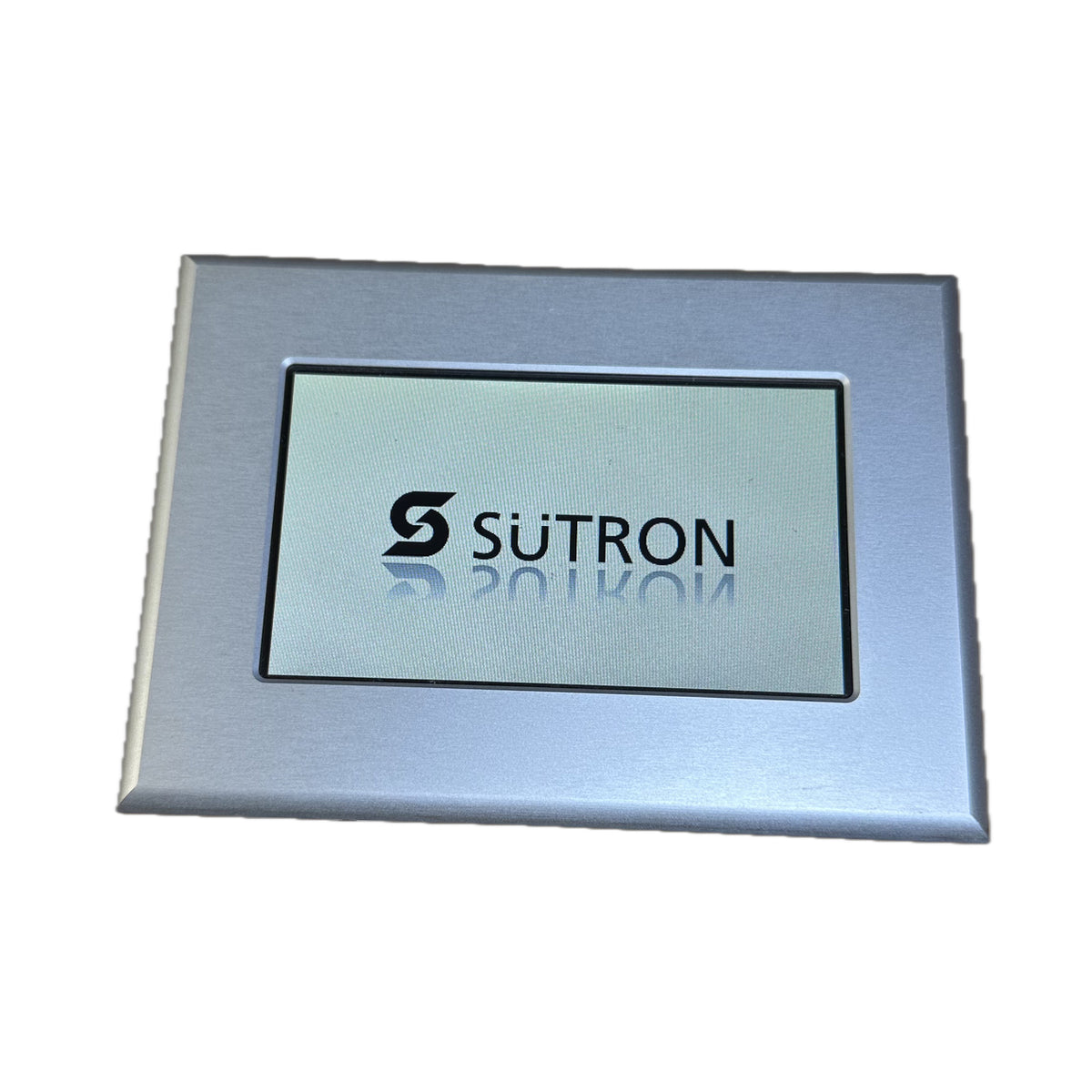
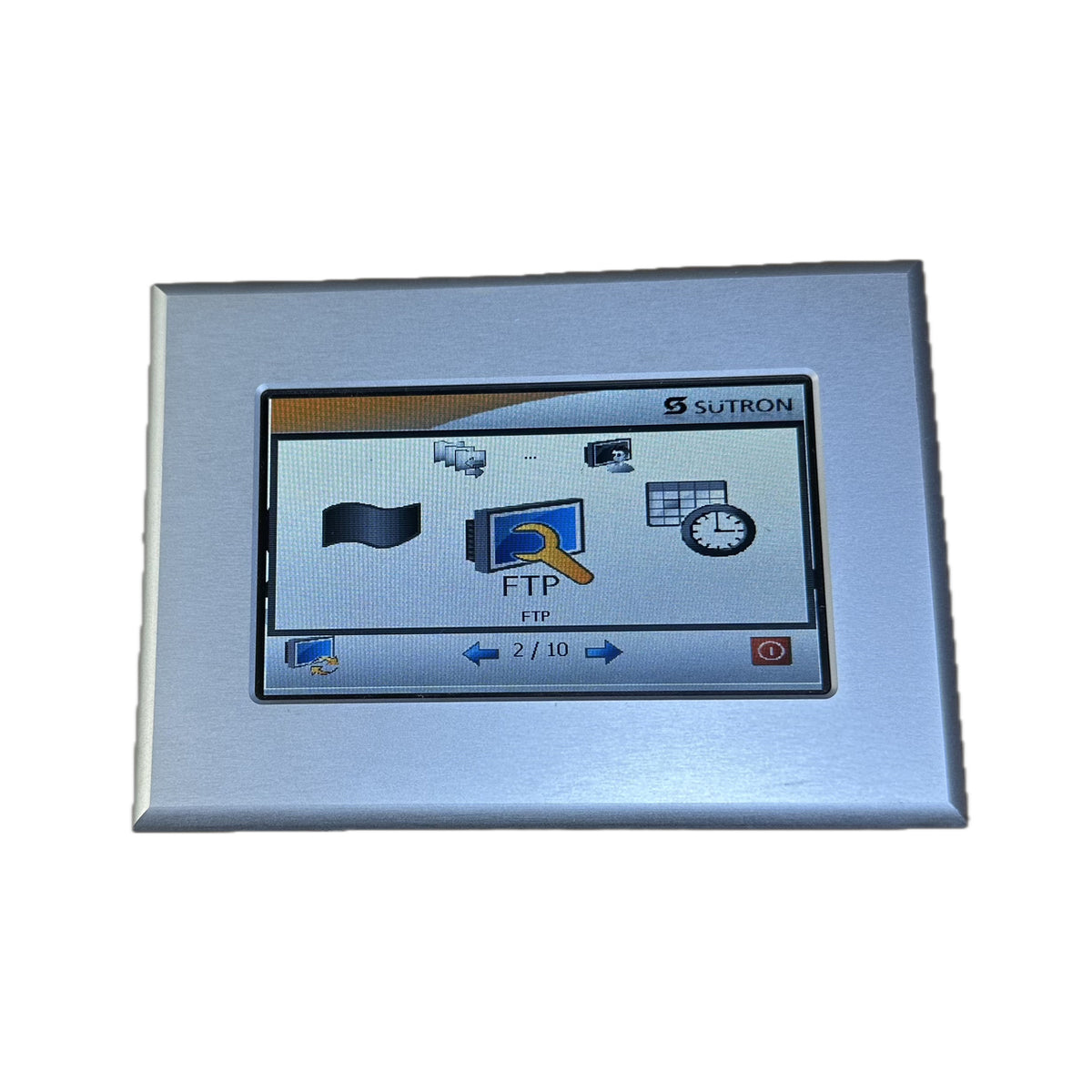
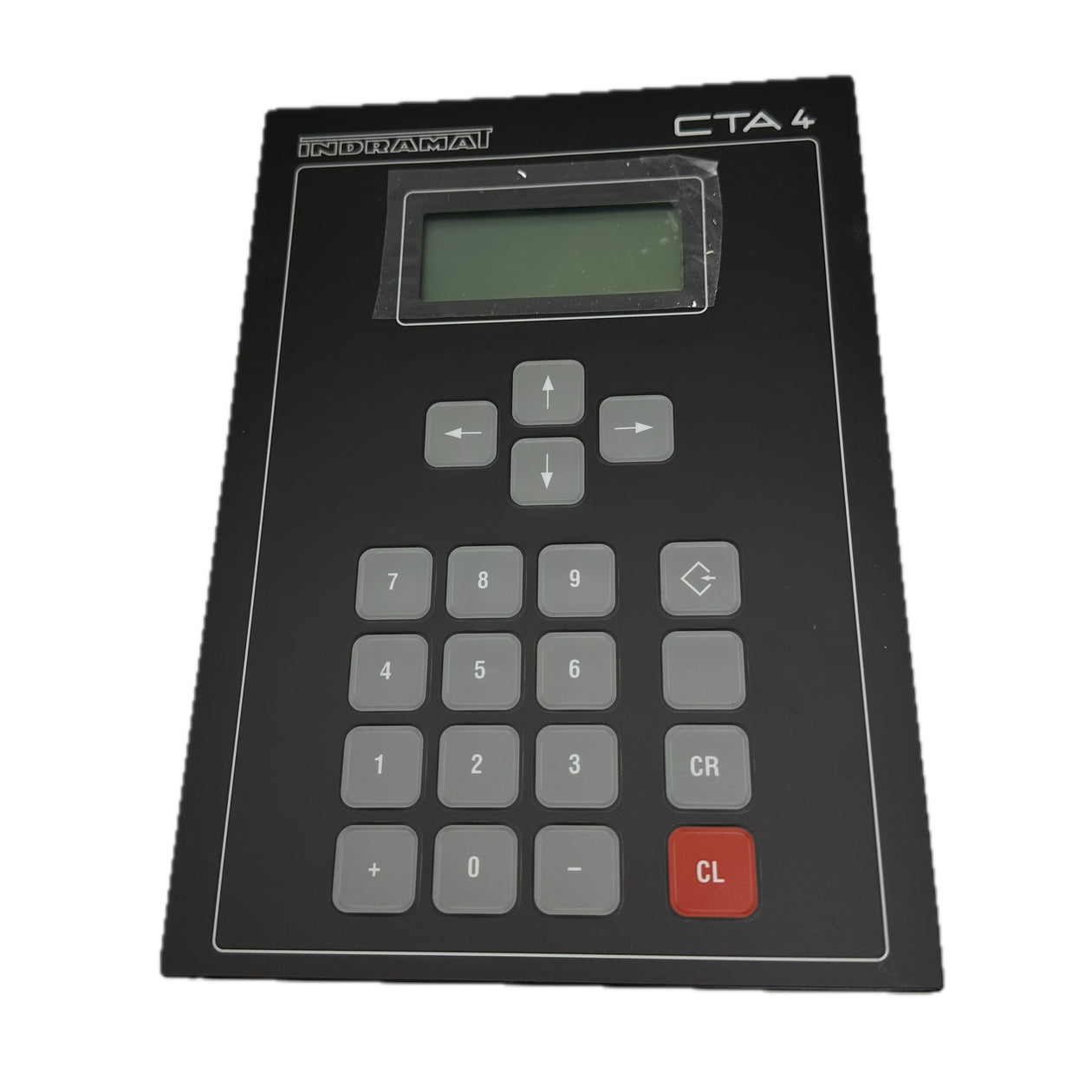
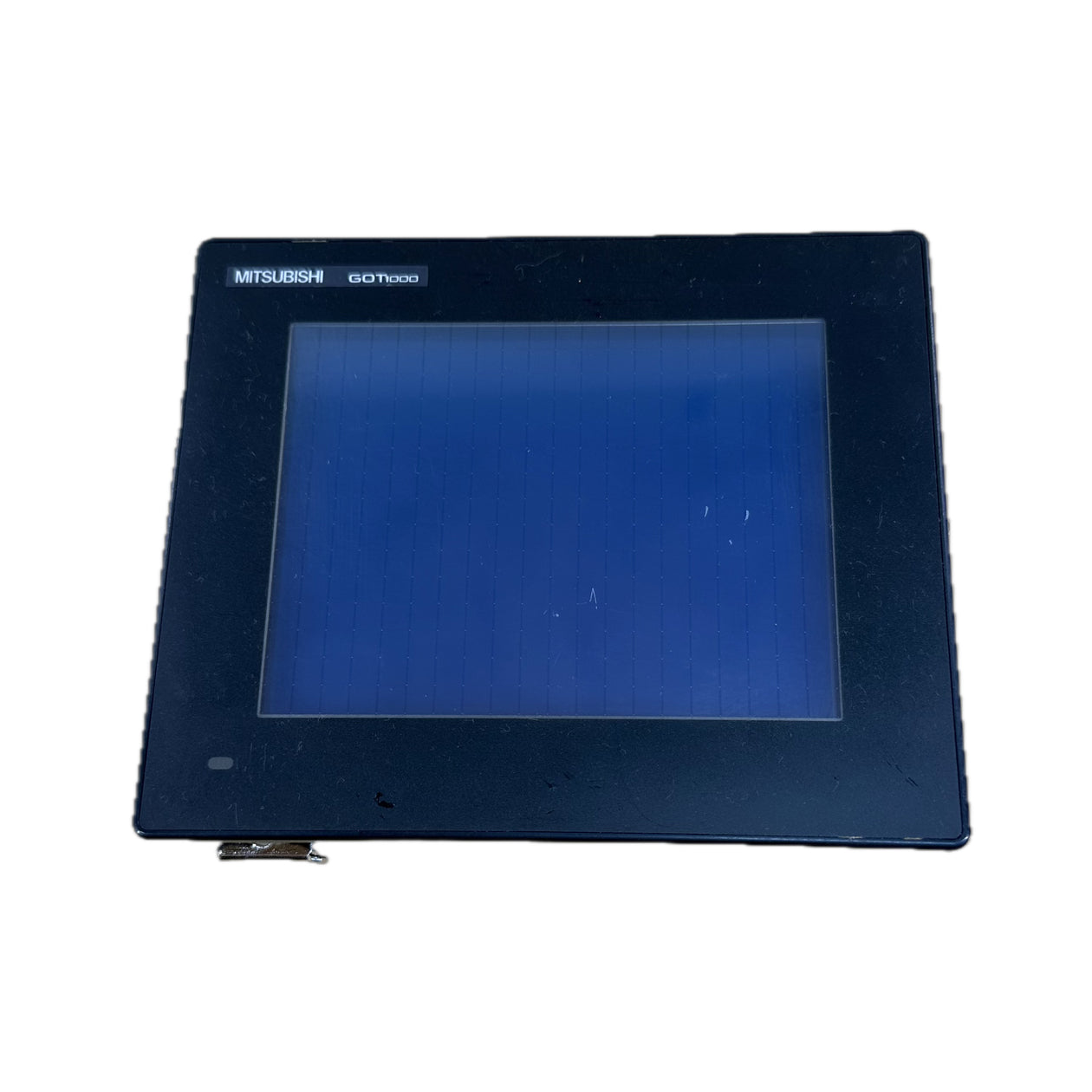
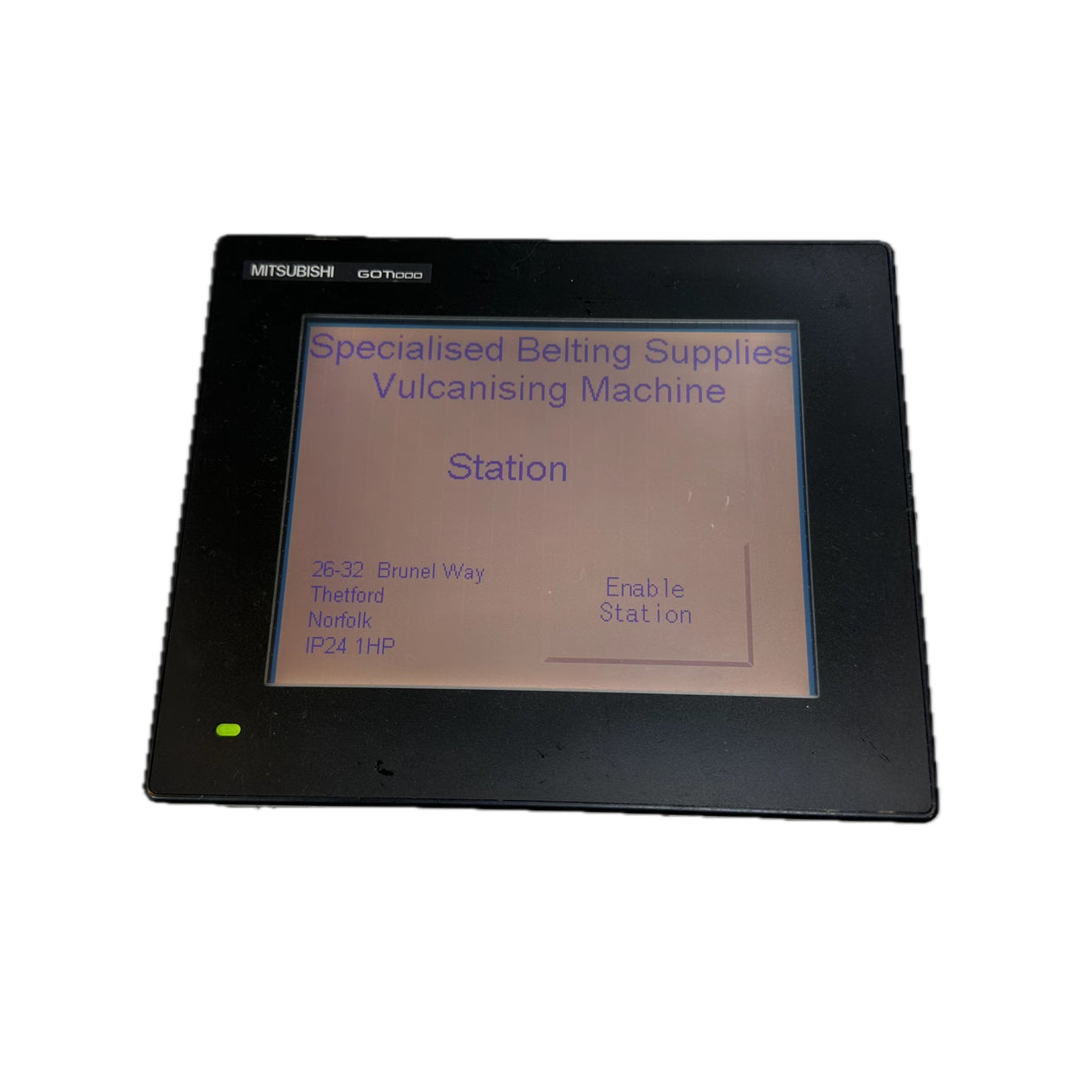
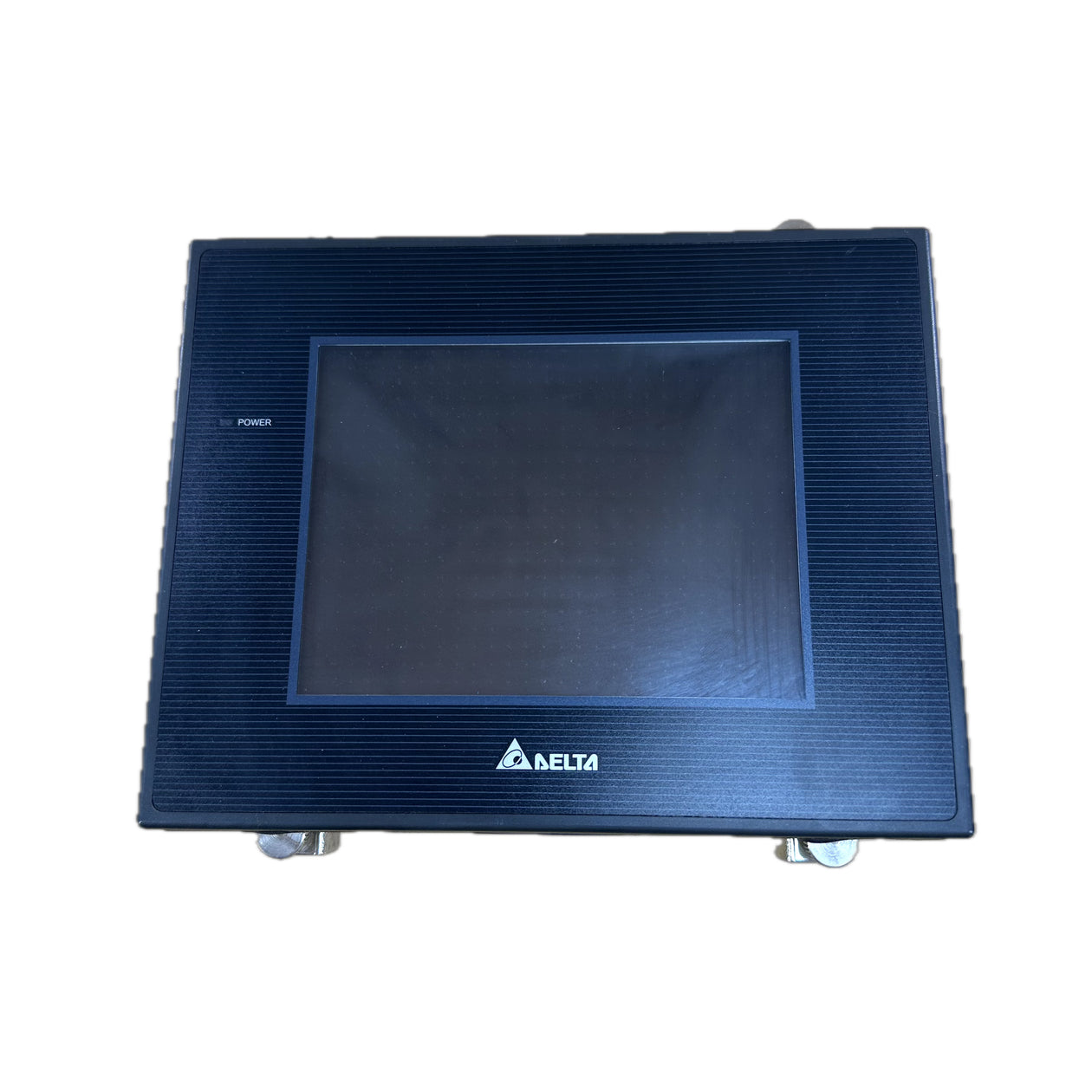
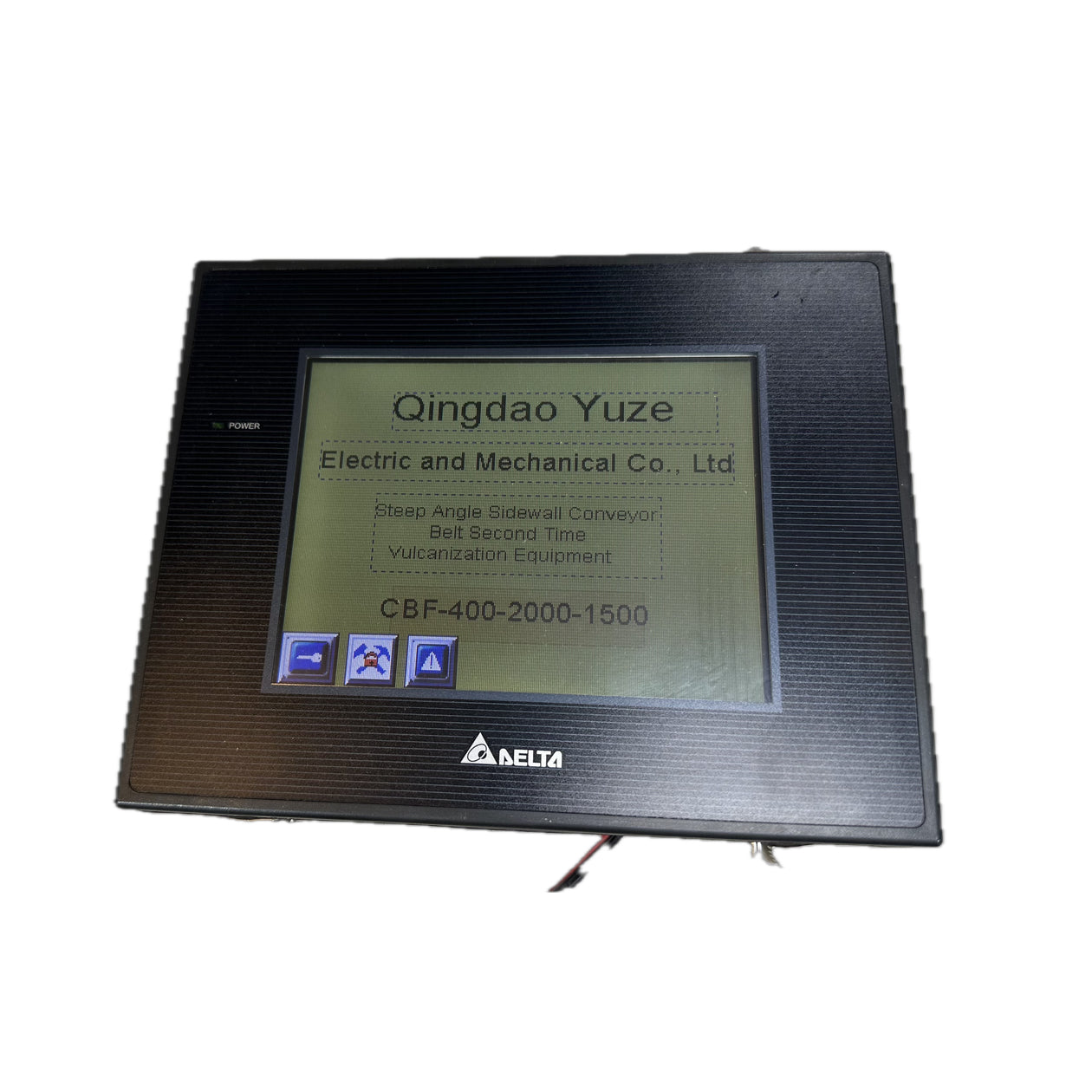
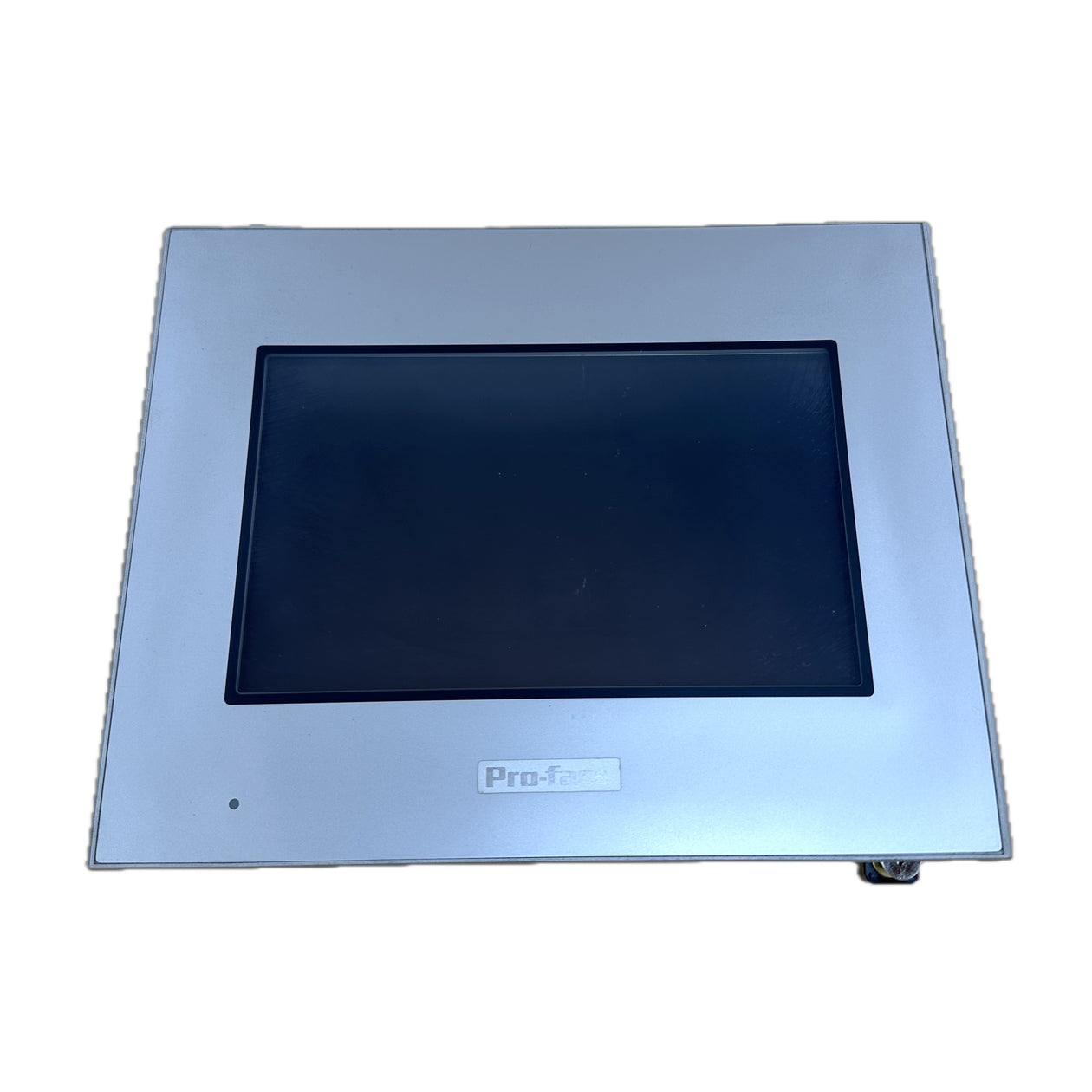
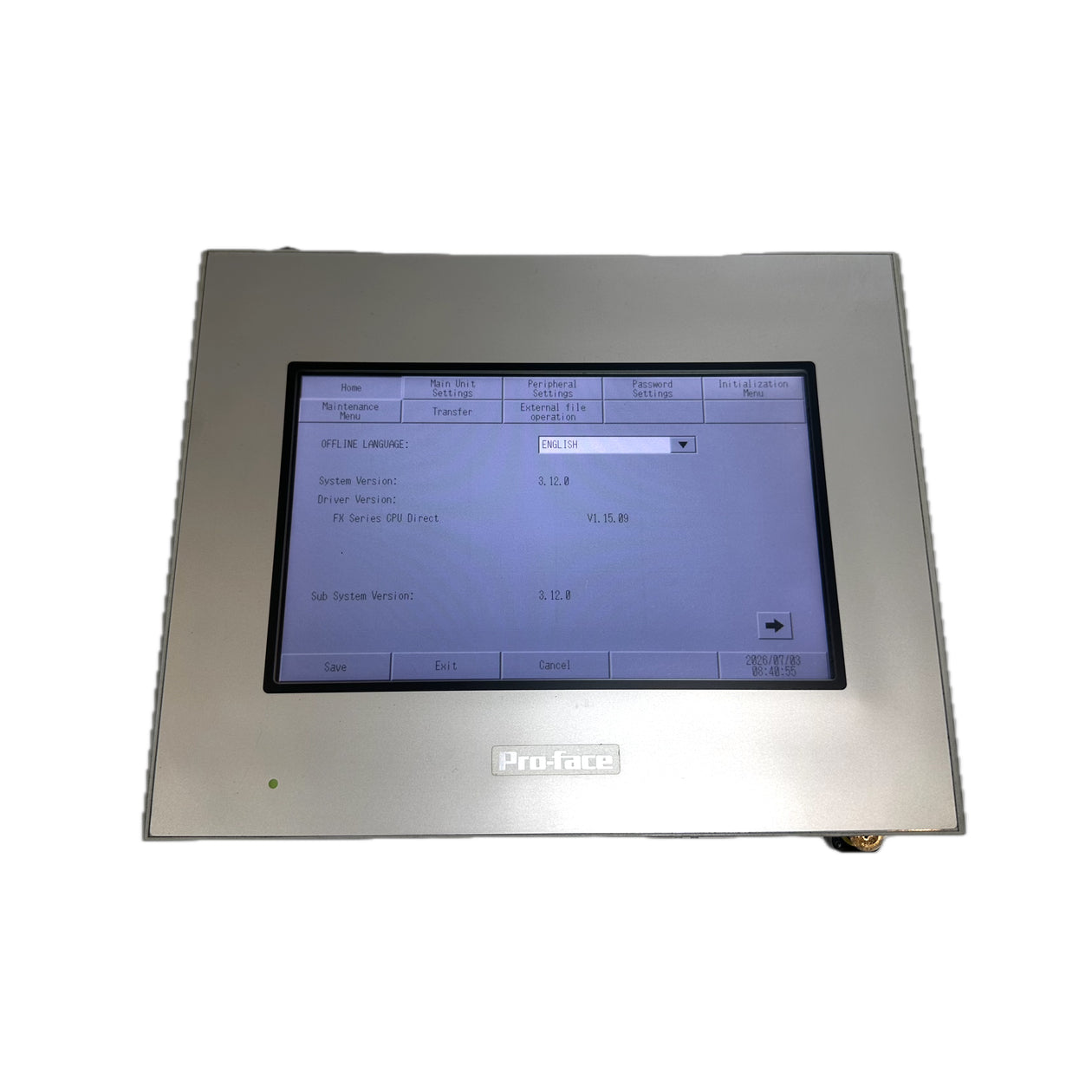
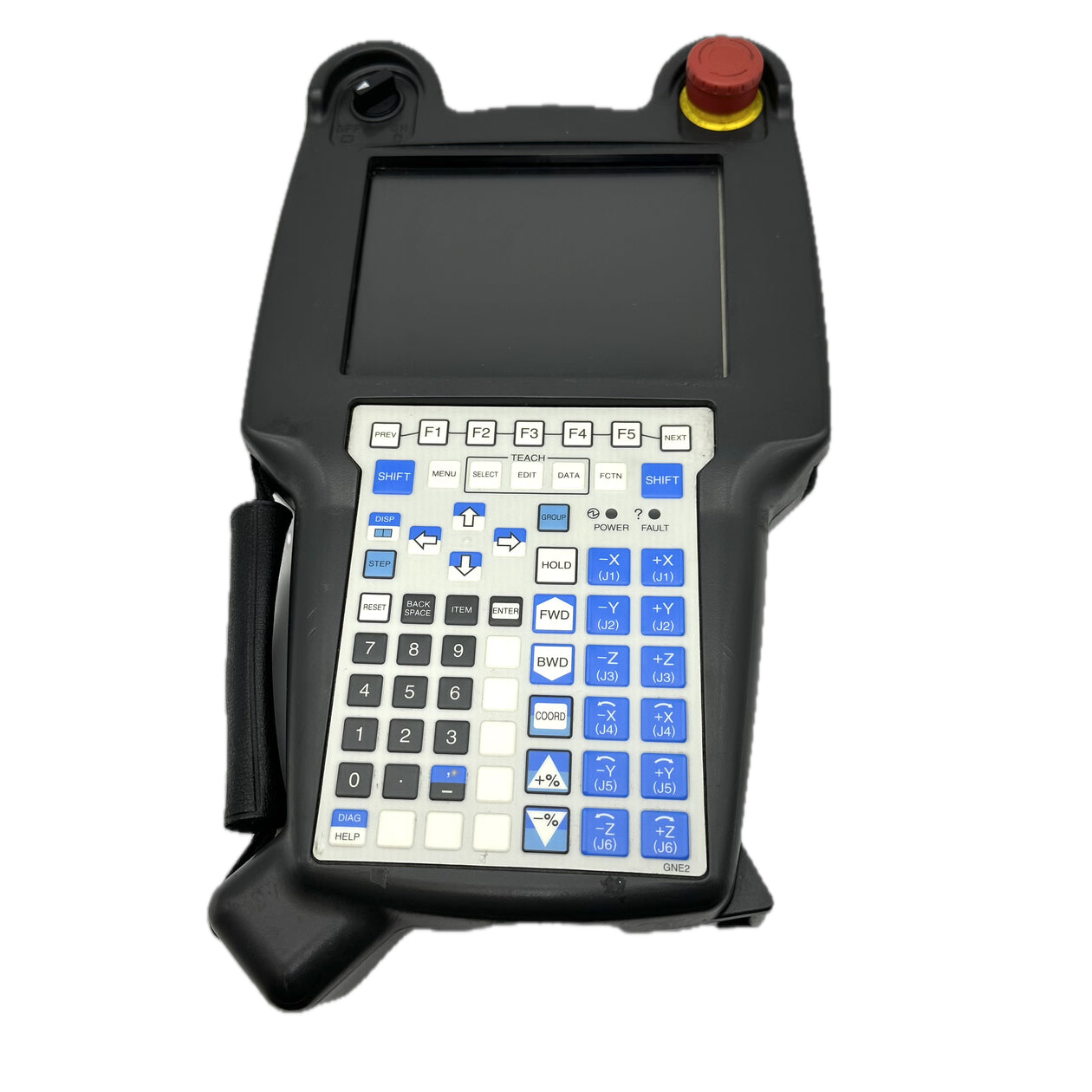
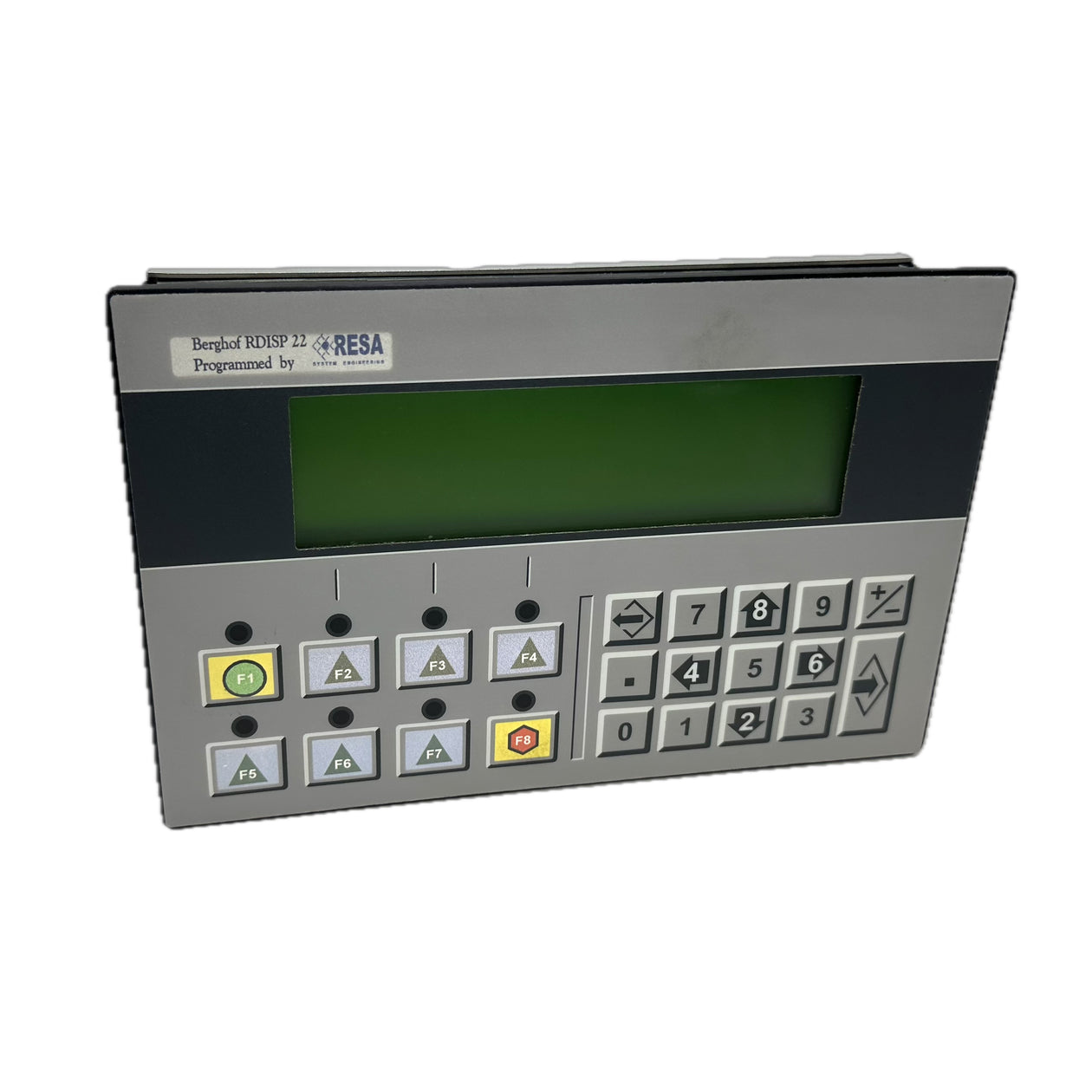
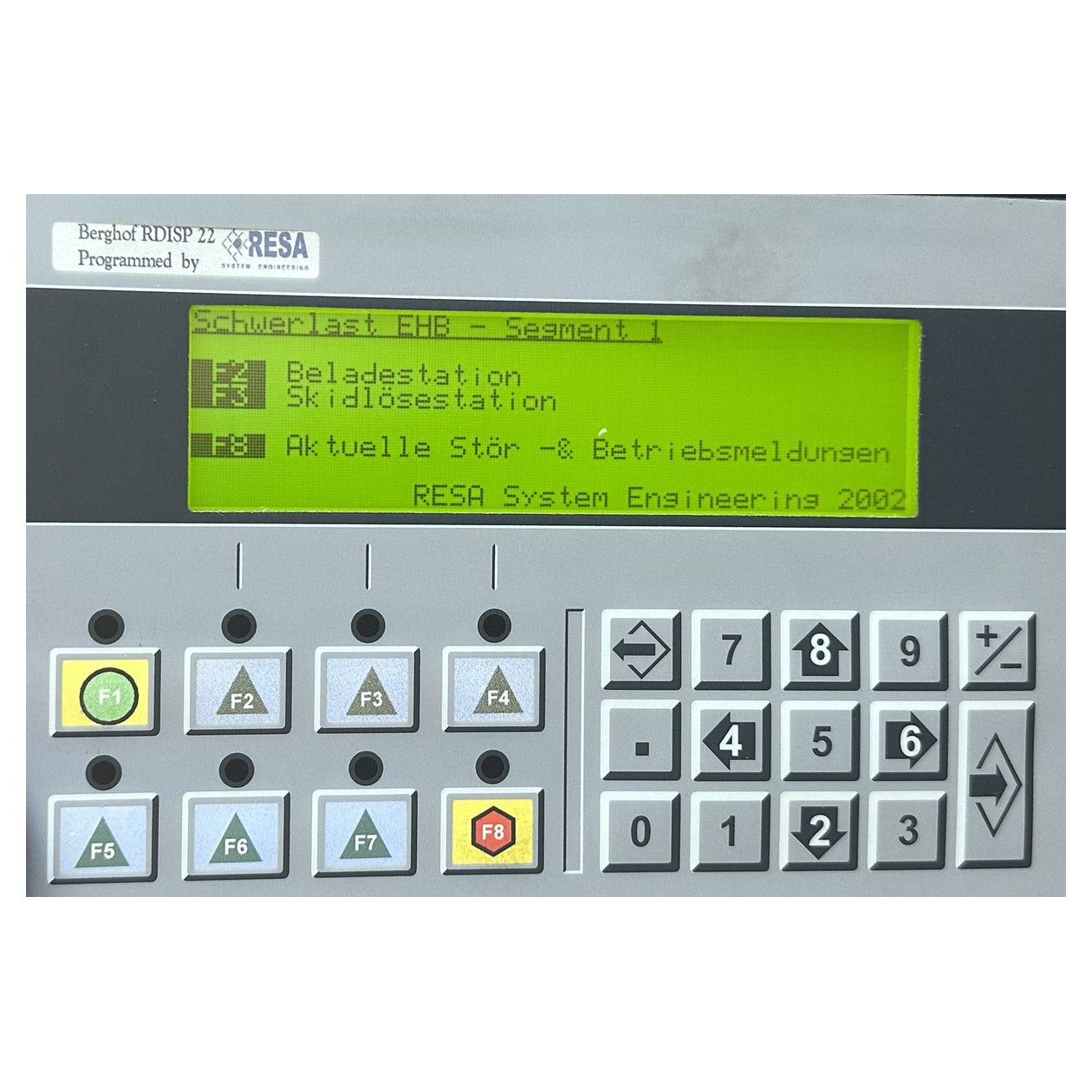
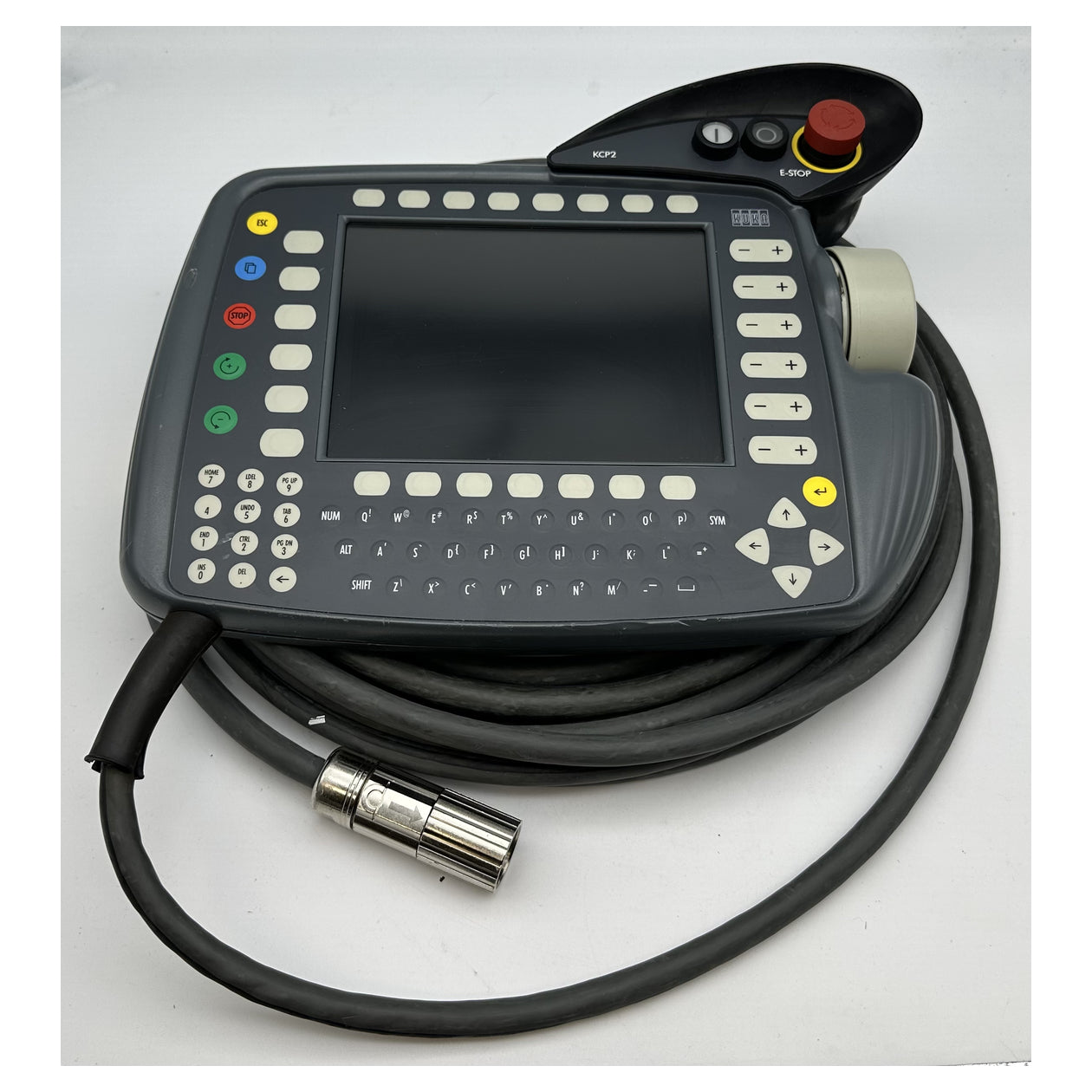
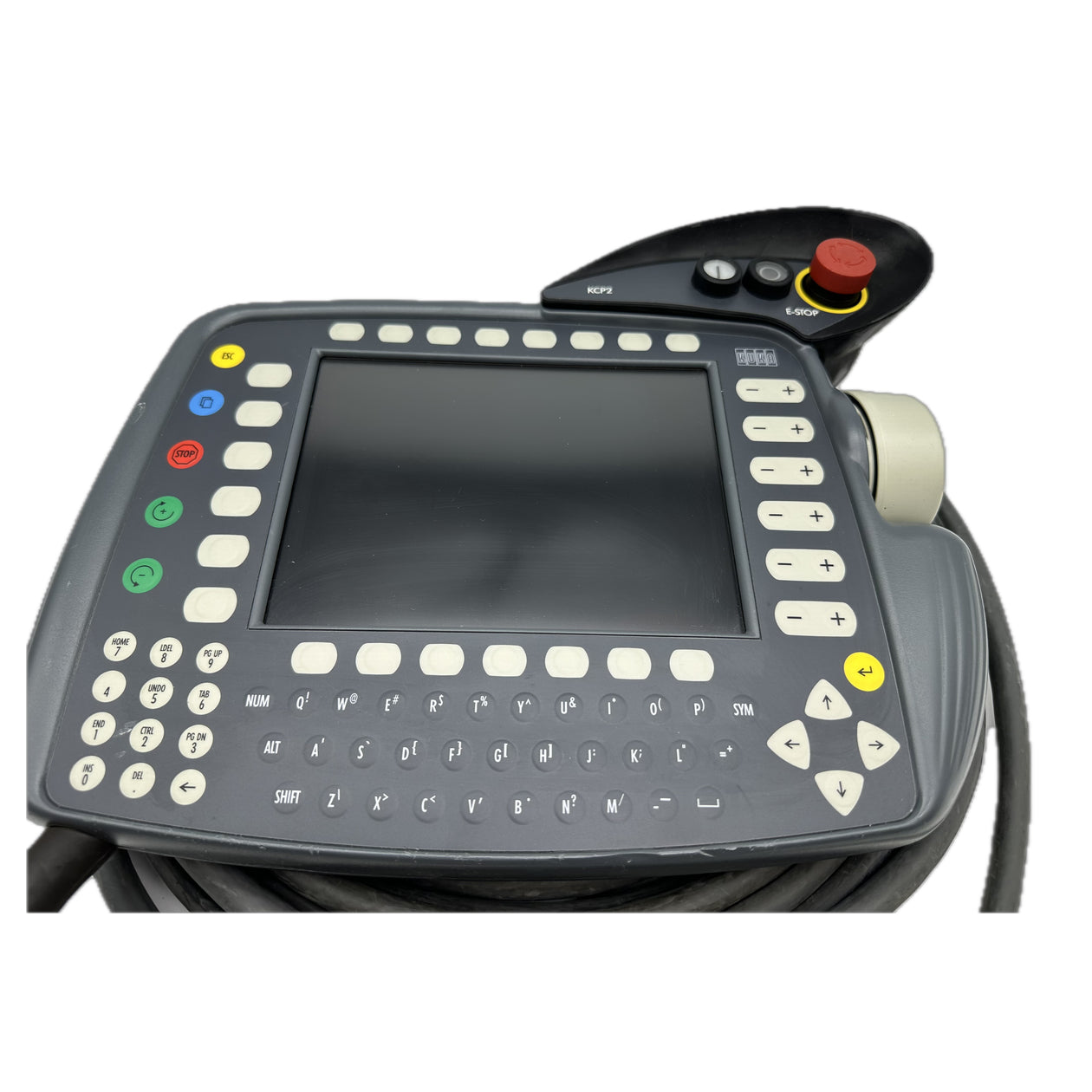
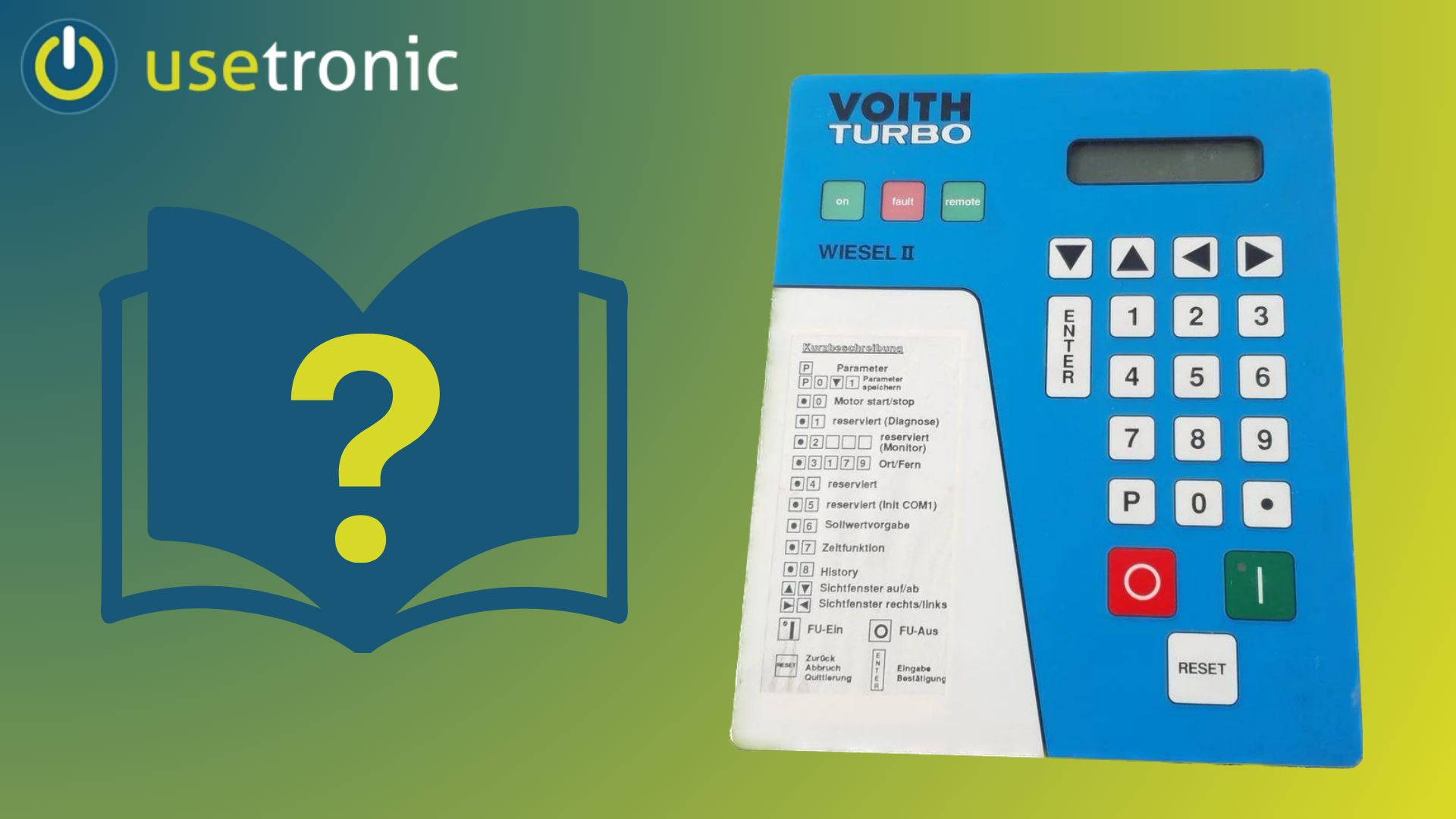
An HMI panel (Human Machine Interface) is a user interface that allows humans to control and monitor machines, systems, or processes. It visually displays information and enables input through buttons, touchscreens, or rotary encoders.
🔧 How Does an HMI Panel Work?
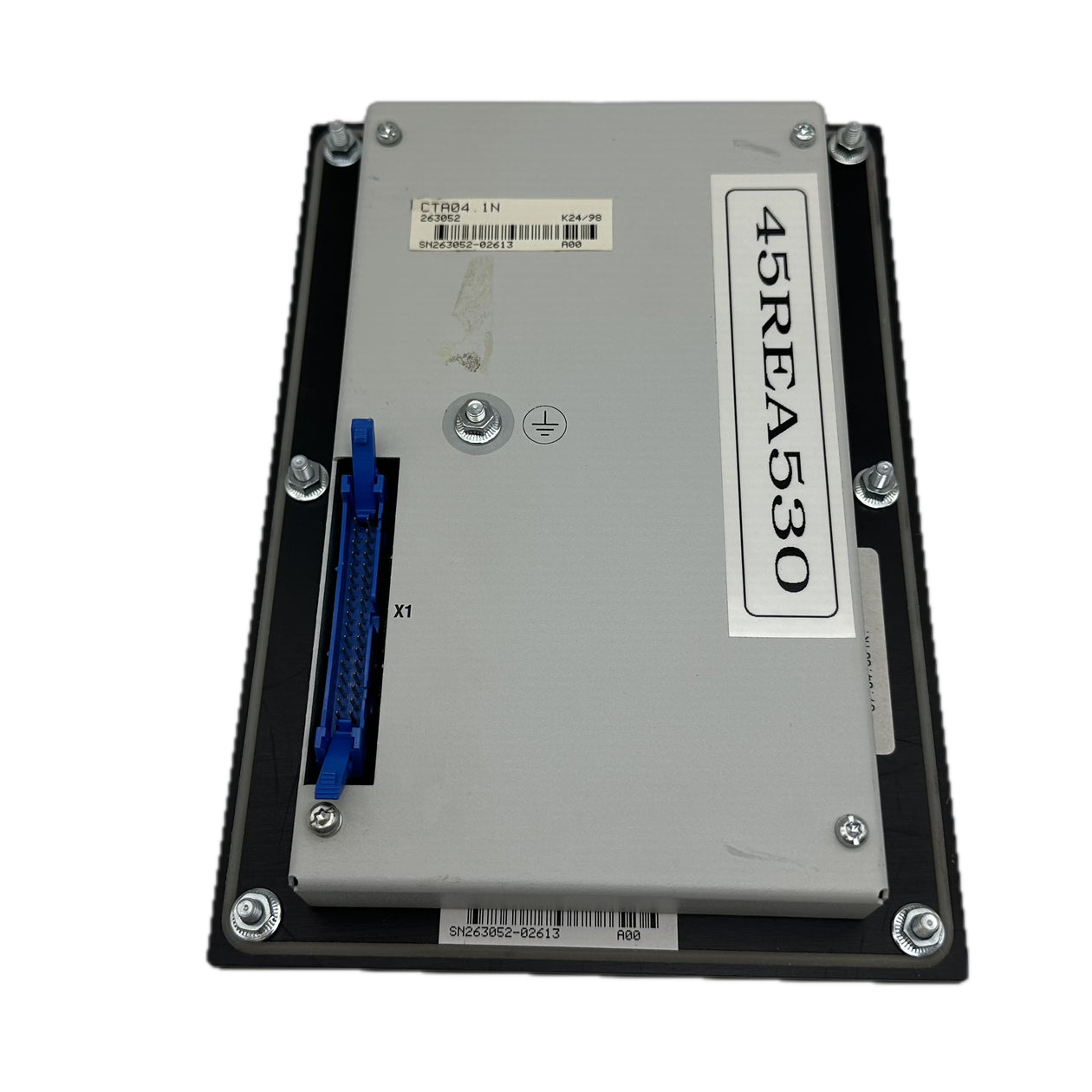
The panel communicates via interfaces (e.g., Ethernet, RS232, Profibus) with a controller like a PLC. It shows real-time process data (e.g., temperature, pressure) and allows commands such as “Start,” “Stop,” or “Change Setpoint.”
Typical elements of an HMI panel:
- Display: usually LCD or TFT, often with touchscreen
- Control unit: integrated microcontroller or external connection
- Software interface: customizable with visualizations and alarm indicators
⚙️ Where Are HMI Panels Used?
- Industrial machinery: CNC, packaging, robotics
- Building automation: HVAC, lighting, security
- Vehicles & mobile machines: excavators, tractors, special vehicles
- Home automation: smart home systems, central control units
- Energy systems: PV inverters, CHP plants
✅ Advantages of HMI Panels
- ✅ Intuitive operation: via touch and graphical interface
- ✅ Central control: all key data at a glance
- ✅ Error reduction: through clear visualization and input validation
- ✅ Customizable: layout and language dependent configuration
⚠️ Disadvantages & Challenges
- ❌ Higher cost: compared to traditional button panels
- ❌ Software dependency: requires configuration and updates
- ❌ Failure sensitivity: central interface, potentially safety-relevant
📊 Comparison: HMI Panel vs. Button Panel
| Feature | HMI Panel | Button Panel |
|---|---|---|
| User guidance | Graphical, flexible | Fixed, labeled |
| Feature expansion | Easy via software | Requires hardware modification |
| Error diagnostics | Integrated | Requires external tools |
| Cost | Higher | Lower |
🧠 Conclusion: When Is an HMI Panel Worthwhile?
HMI panels offer a modern, user-friendly interface between humans and machines. They are especially useful when flexibility, process visibility, or operator convenience are required – such as in industry, complex systems, or environments with changing users.
❓ Frequently Asked Questions (FAQ)
▶️ What does an HMI panel do?
It acts as a display and control unit for machines, systems, or processes – usually via a touchscreen display.
▶️ What’s the difference between an HMI and a panel?
“HMI” is the technical term (Human Machine Interface), while “panel” is the common name – both refer to the same concept.
▶️ Are there HMI panels with buttons?
Yes, there are hybrid versions with both touchscreen and physical buttons – depending on the application and safety requirements.