What is a Frequency Converter? Simply Explained
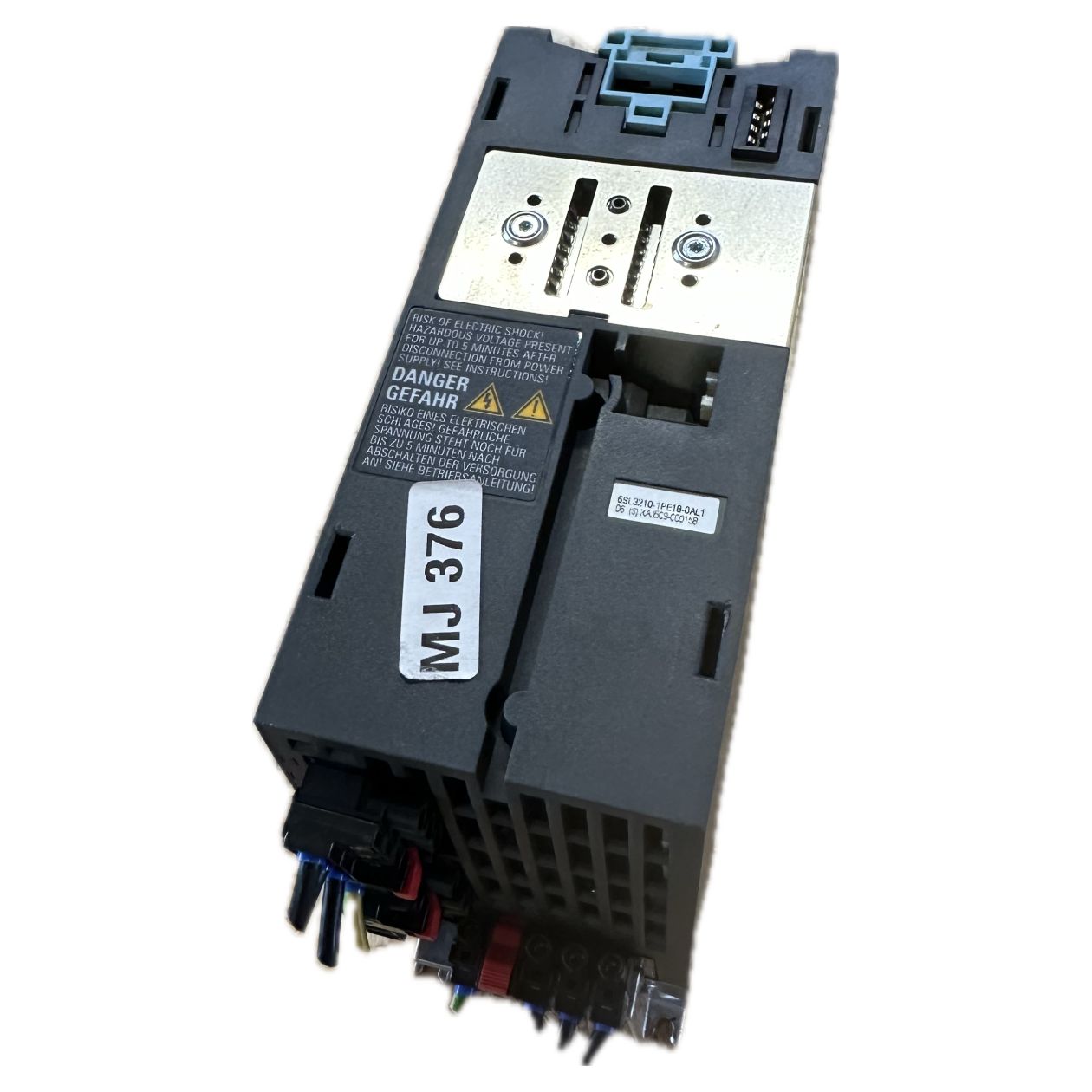
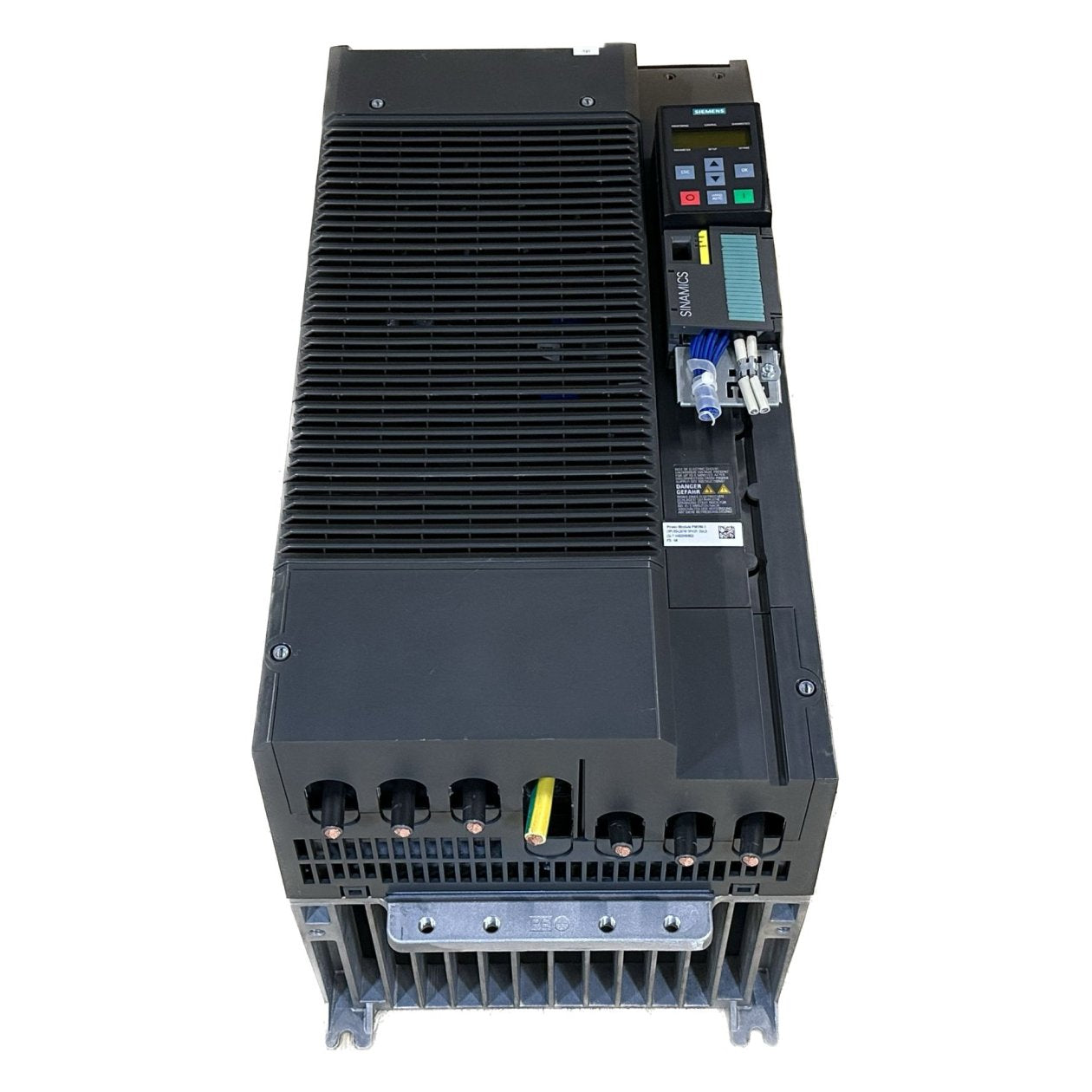
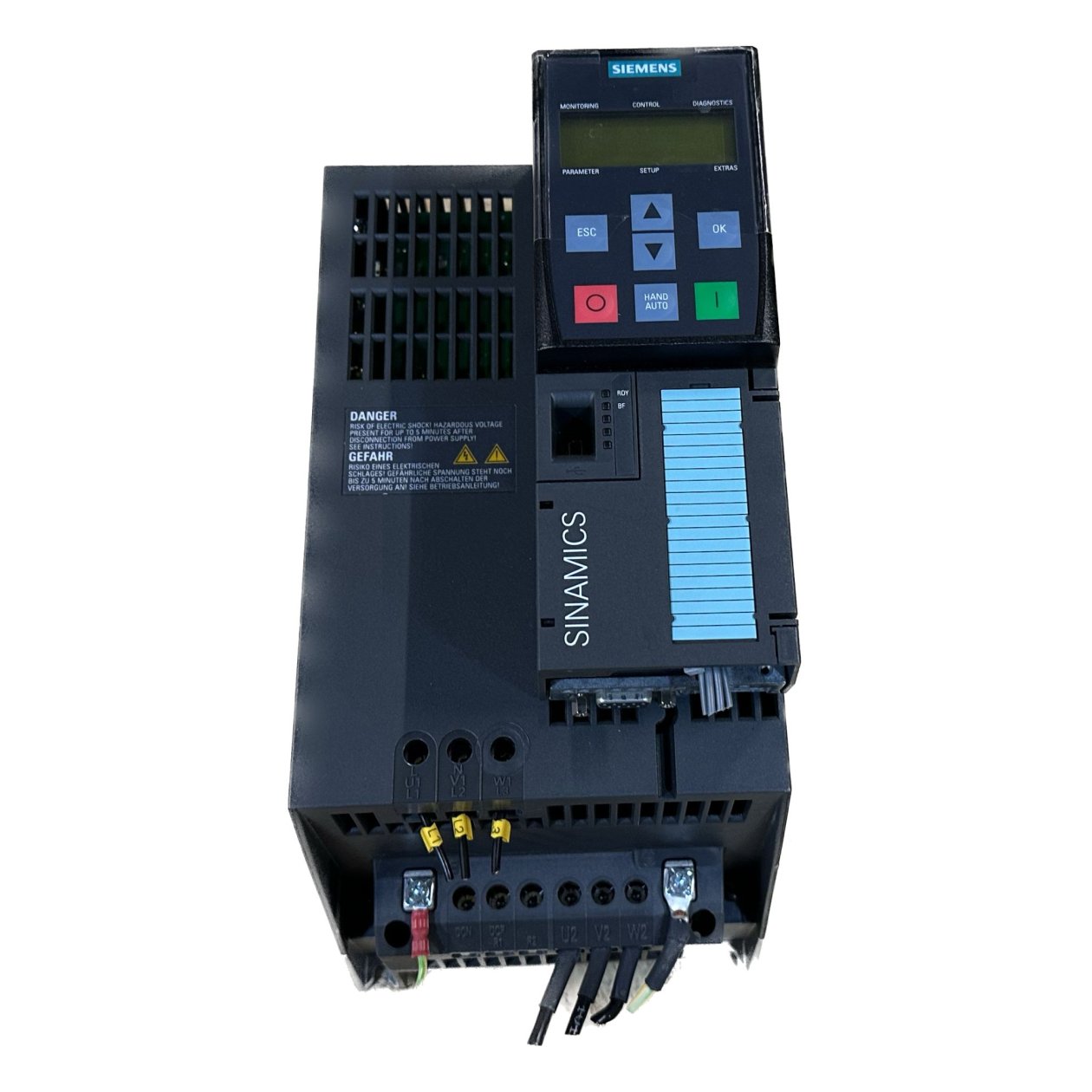
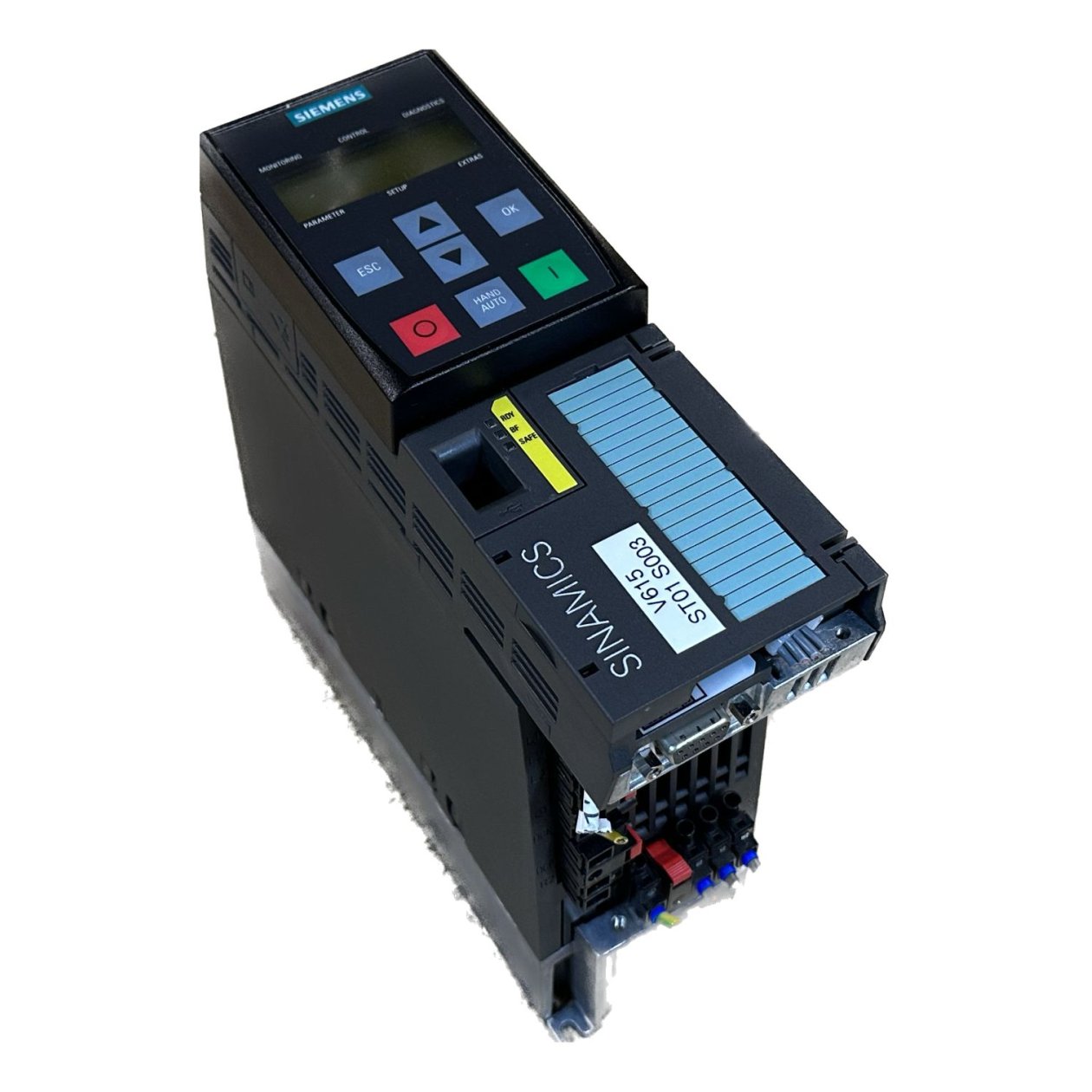
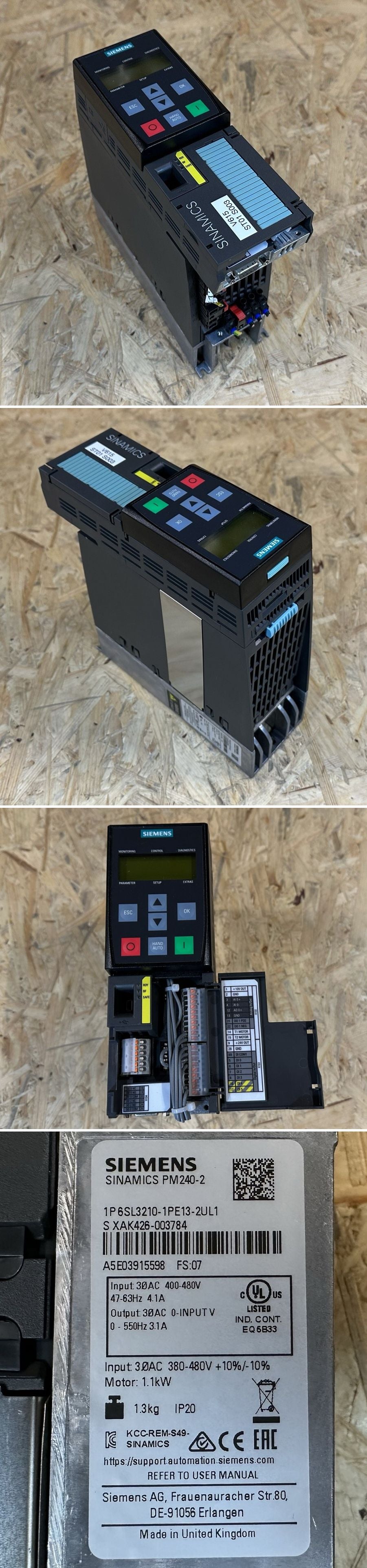
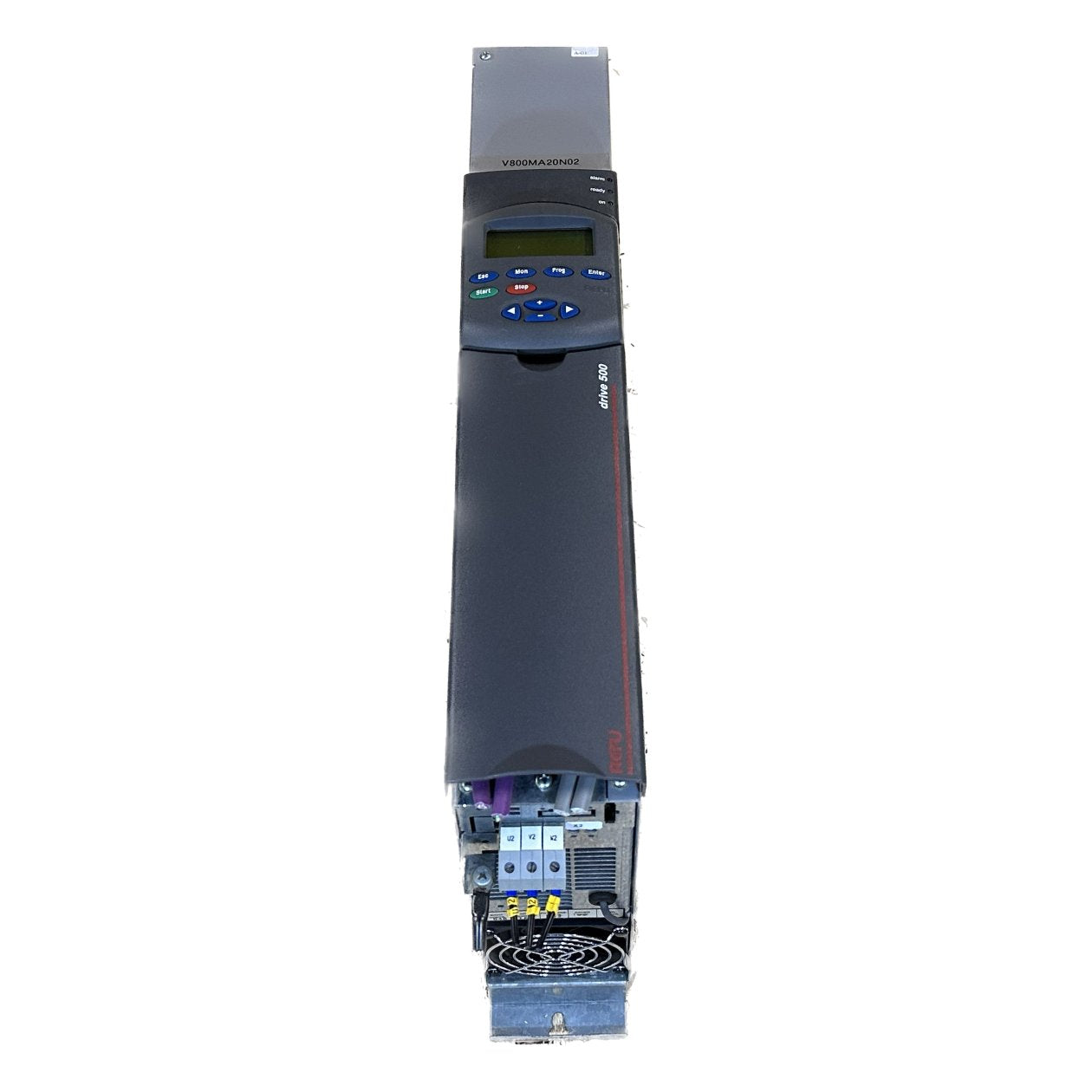
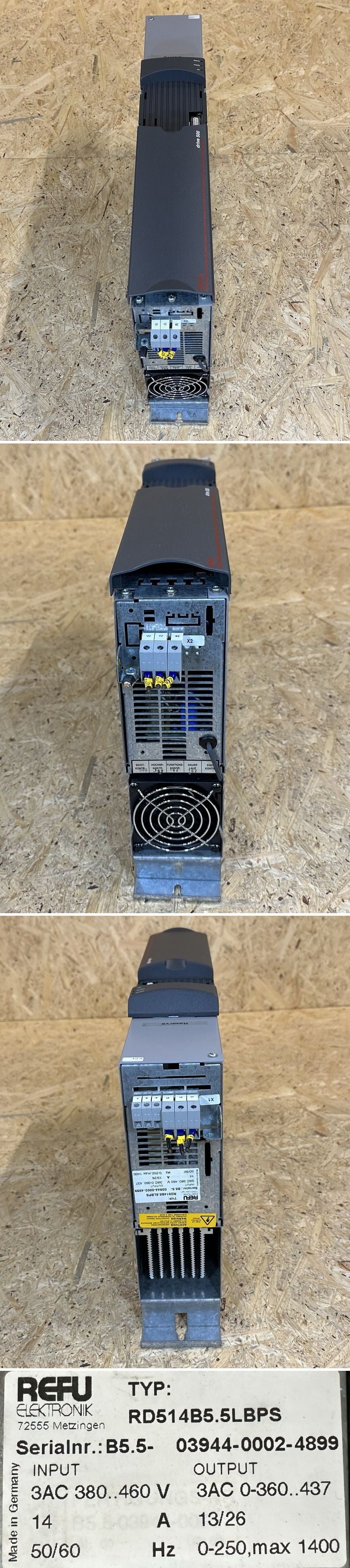
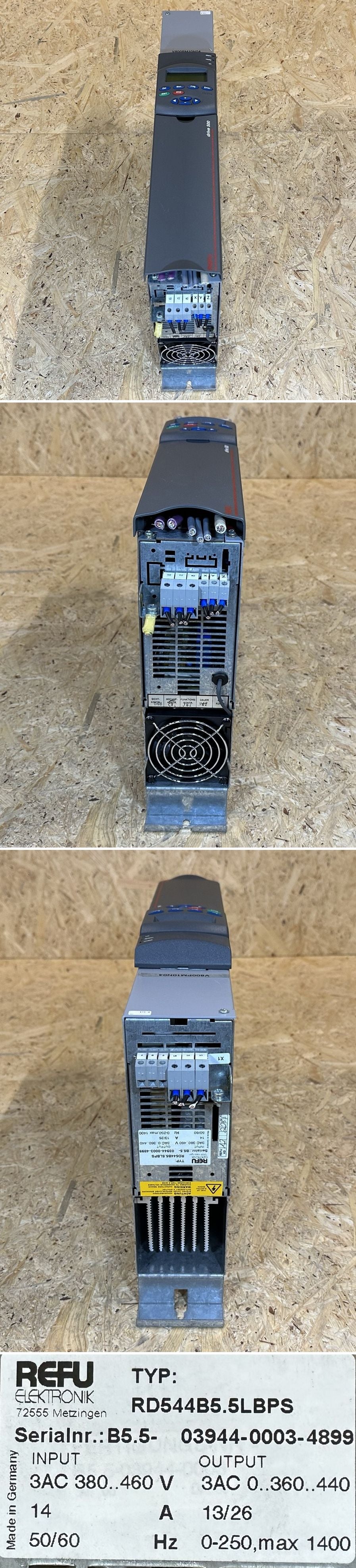
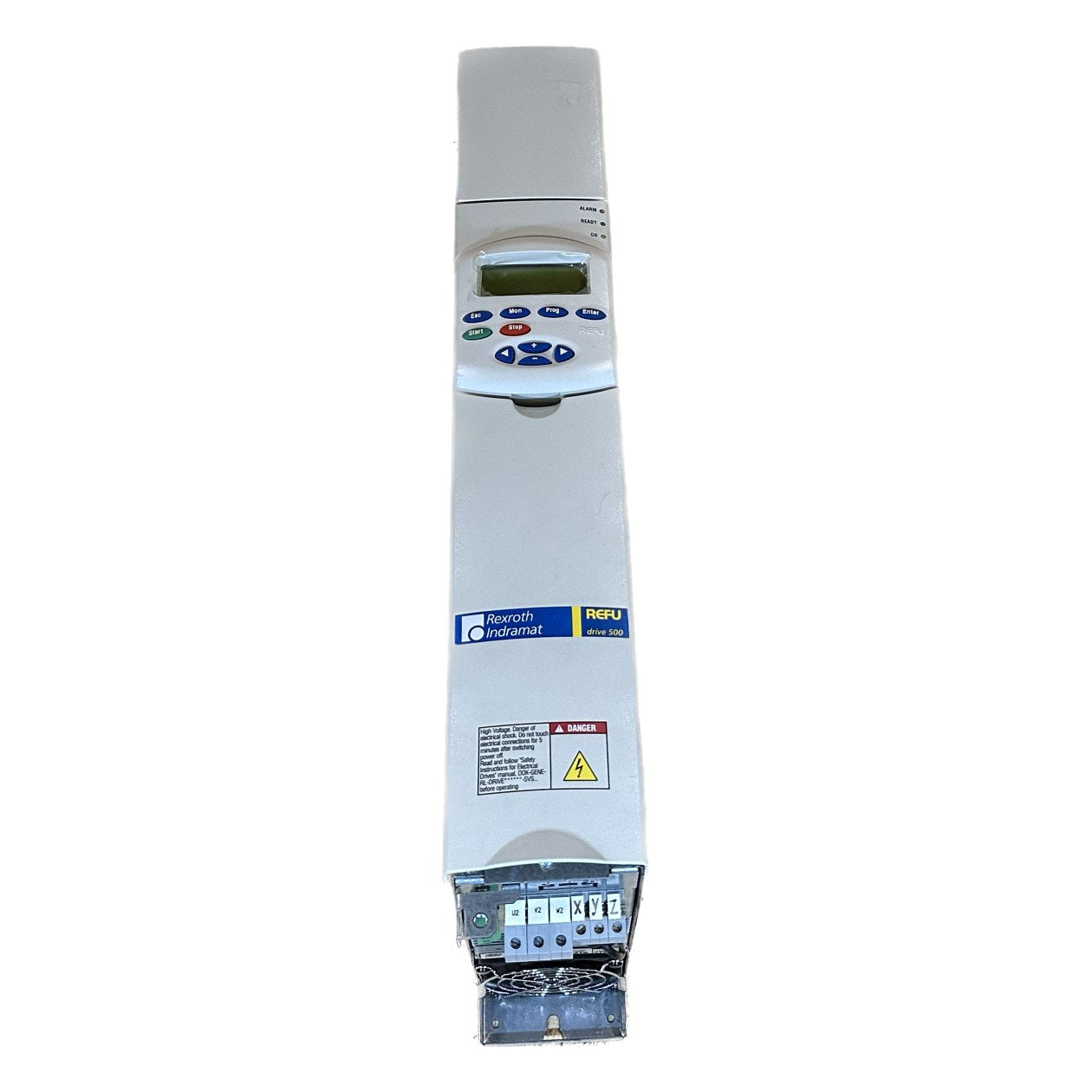
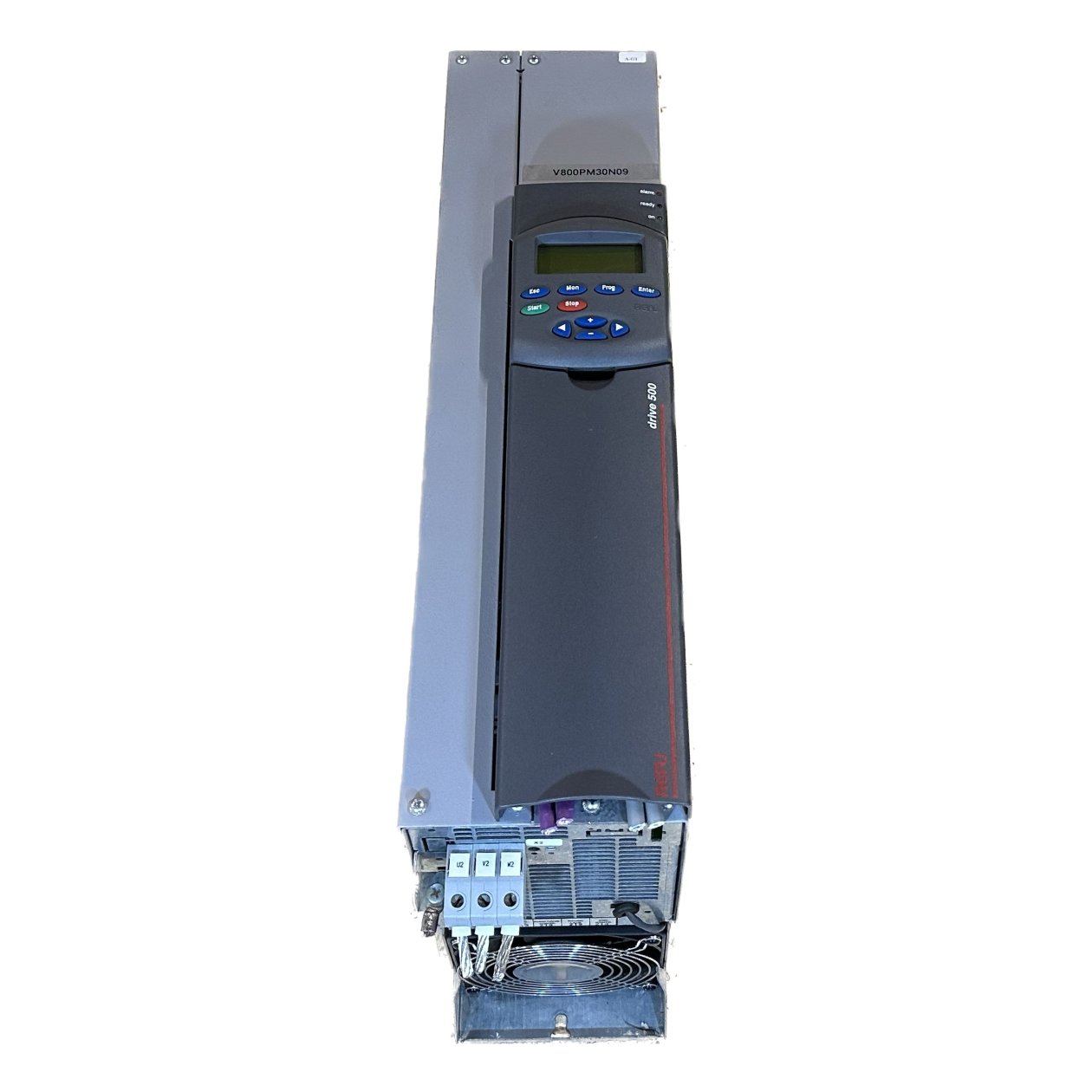
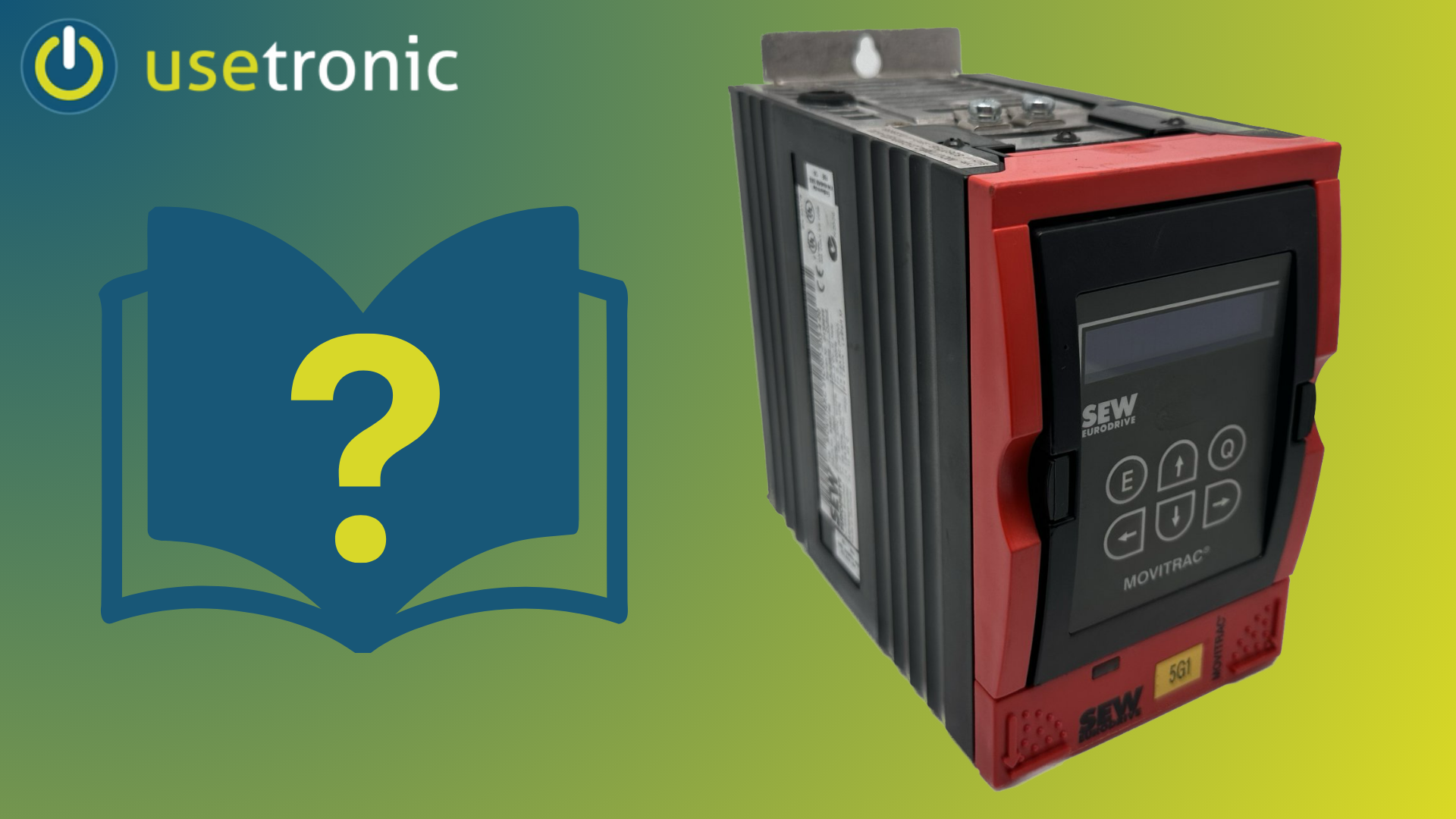
A frequency converter (also called a variable frequency drive – VFD) is an electronic device that allows the speed of electric motors to be adjusted continuously. It does this by converting the mains frequency (e.g. 50 Hz) into a variable frequency and voltage. Frequency converters are widely used today in industry, building technology, and even household appliances.
🔧 How does a frequency converter work?
A frequency converter operates in three stages:
- Rectification: Converts AC mains voltage into DC
- Intermediate circuit: The DC is buffered
- Inversion: The DC is converted back into AC with variable frequency and voltage
This enables the motor to deliver exactly the speed and torque required at any given time.
⚙️ Where are frequency converters used?
- Industry: Control of pumps, conveyors, fans, compressors
- Building technology: HVAC systems, elevators
- Renewable energy: Wind turbines, solar systems
- Automotive technology: E-mobility, rail drives
- Household appliances: Washing machines, air conditioners
✅ Advantages of frequency converters
- ✅ Energy-efficient: only uses as much power as needed
- ✅ Soft start: no current spikes or mechanical jolts
- ✅ Longer lifespan: protects motors and mechanics
- ✅ Process optimization: precise speed control
⚠️ Possible disadvantages
- ❌ EMC interference: electromagnetic disturbances if poorly shielded
- ❌ Complexity: higher planning and programming effort
- ❌ Cost: more expensive than direct drive
📊 Comparison: Direct Start vs. Frequency Converter
| Criterion | Direct Start | Frequency Converter |
|---|---|---|
| Startup behavior | Sudden | Soft, gradual |
| Energy consumption | High | Optimized |
| Cost | Low | Higher |
| Control | None | Continuous |
🧠 Conclusion: When is a frequency converter worth it?
A frequency converter is worthwhile wherever variable speeds are required – in other words, in almost all modern systems. It saves energy, reduces wear, and increases flexibility. It's especially useful for continuous operation or frequent start-stop processes.
❓ Frequently Asked Questions (FAQ)
▶️ What is the difference between a frequency converter and a soft starter?
A soft starter only controls the startup. A frequency converter allows continuous control of speed and torque.
▶️ Can I operate any motor with a frequency converter?
Generally yes – especially with three-phase asynchronous motors. However, manufacturer approval should be checked.
▶️ Does a frequency converter really save power?
Yes – especially under partial load or variable loads, energy consumption can be significantly reduced.