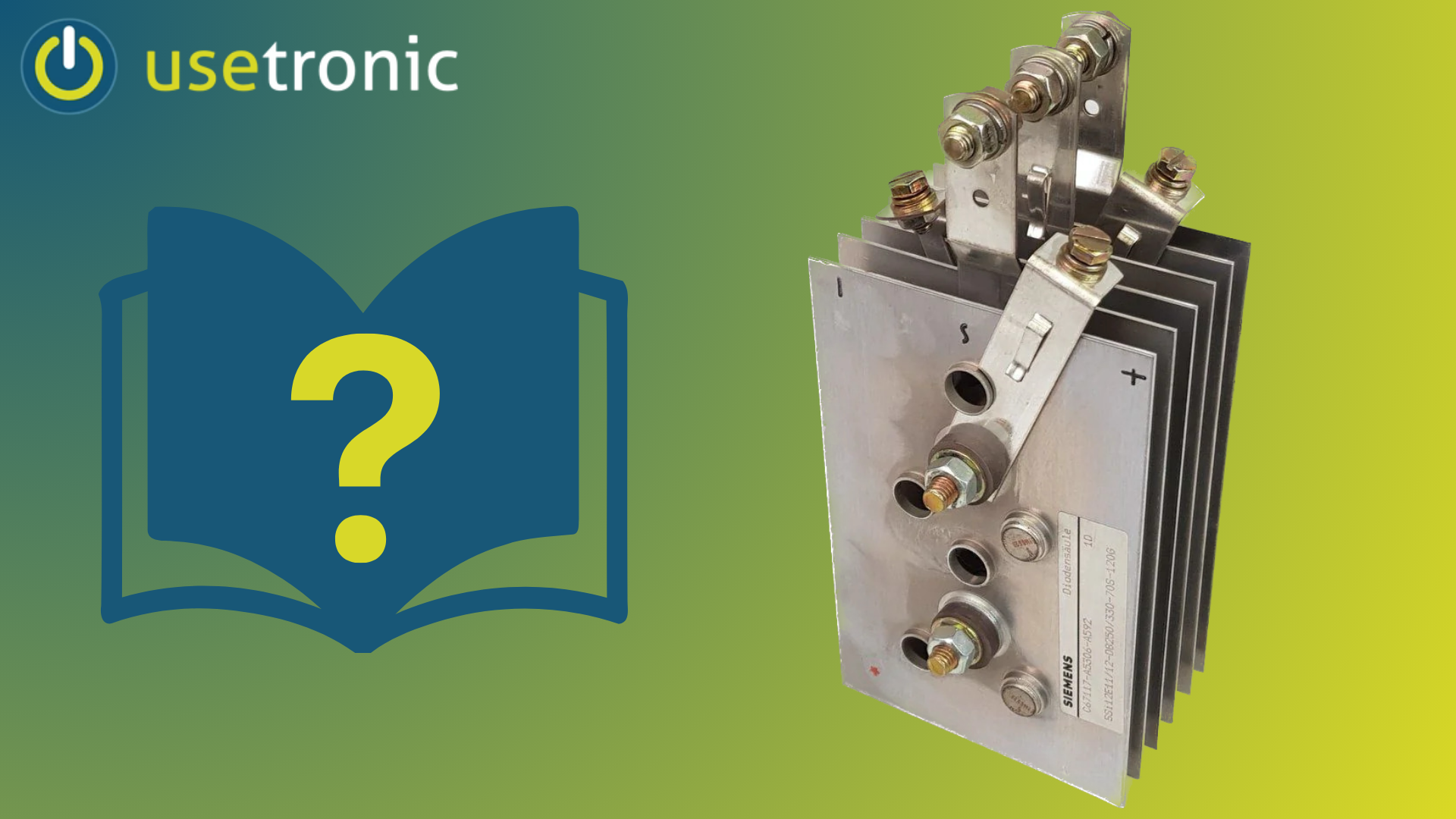
What Is a Rectifier? Simply Explained
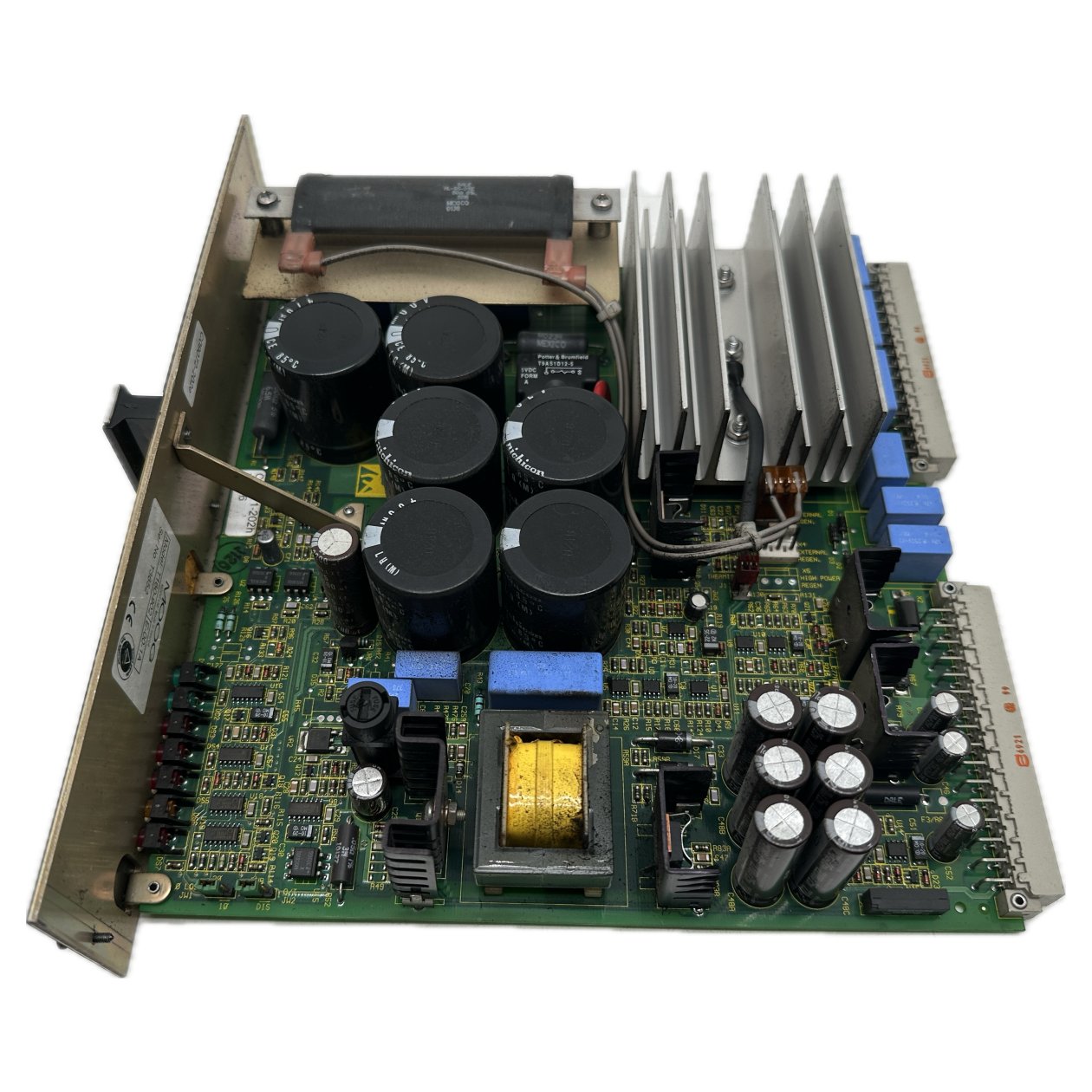
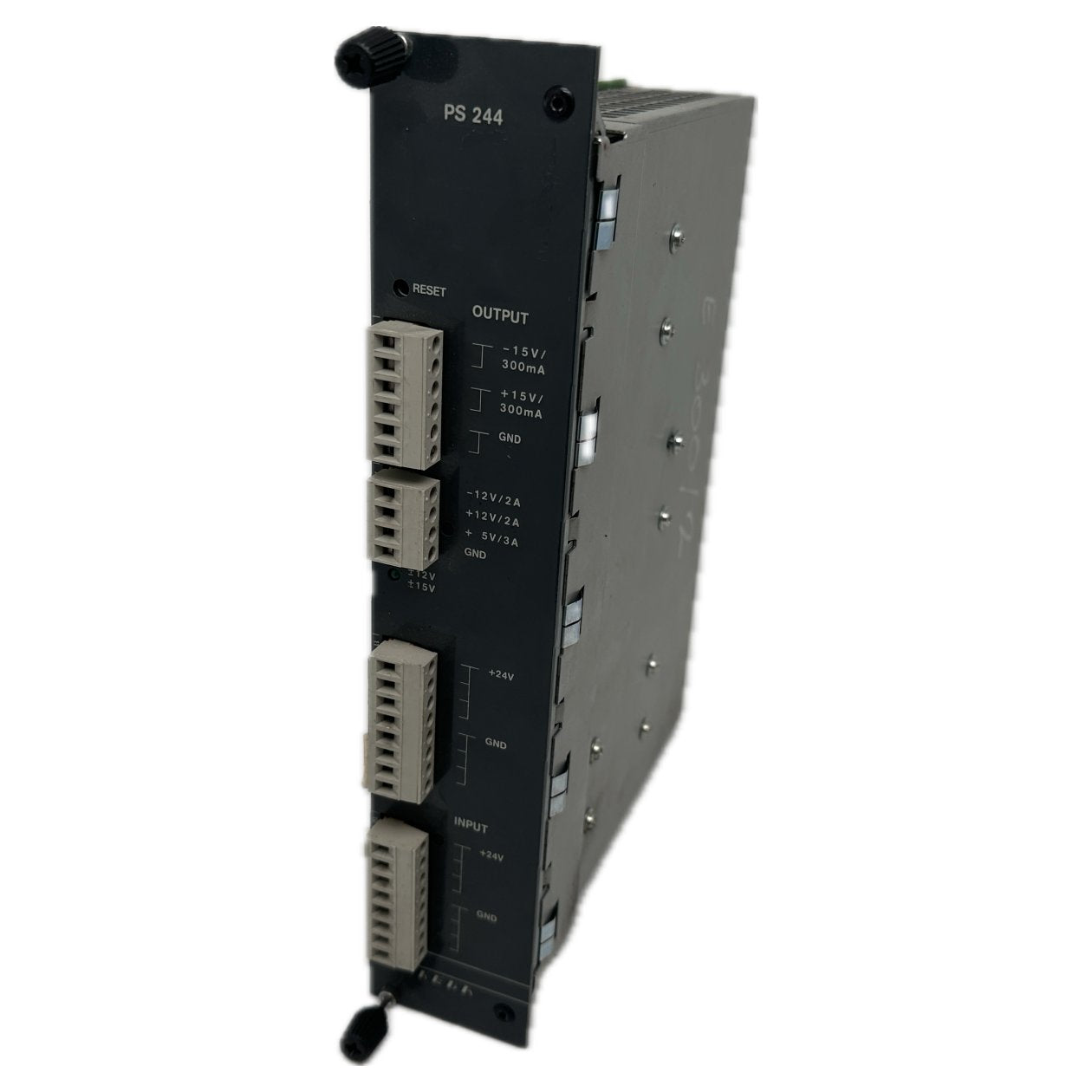
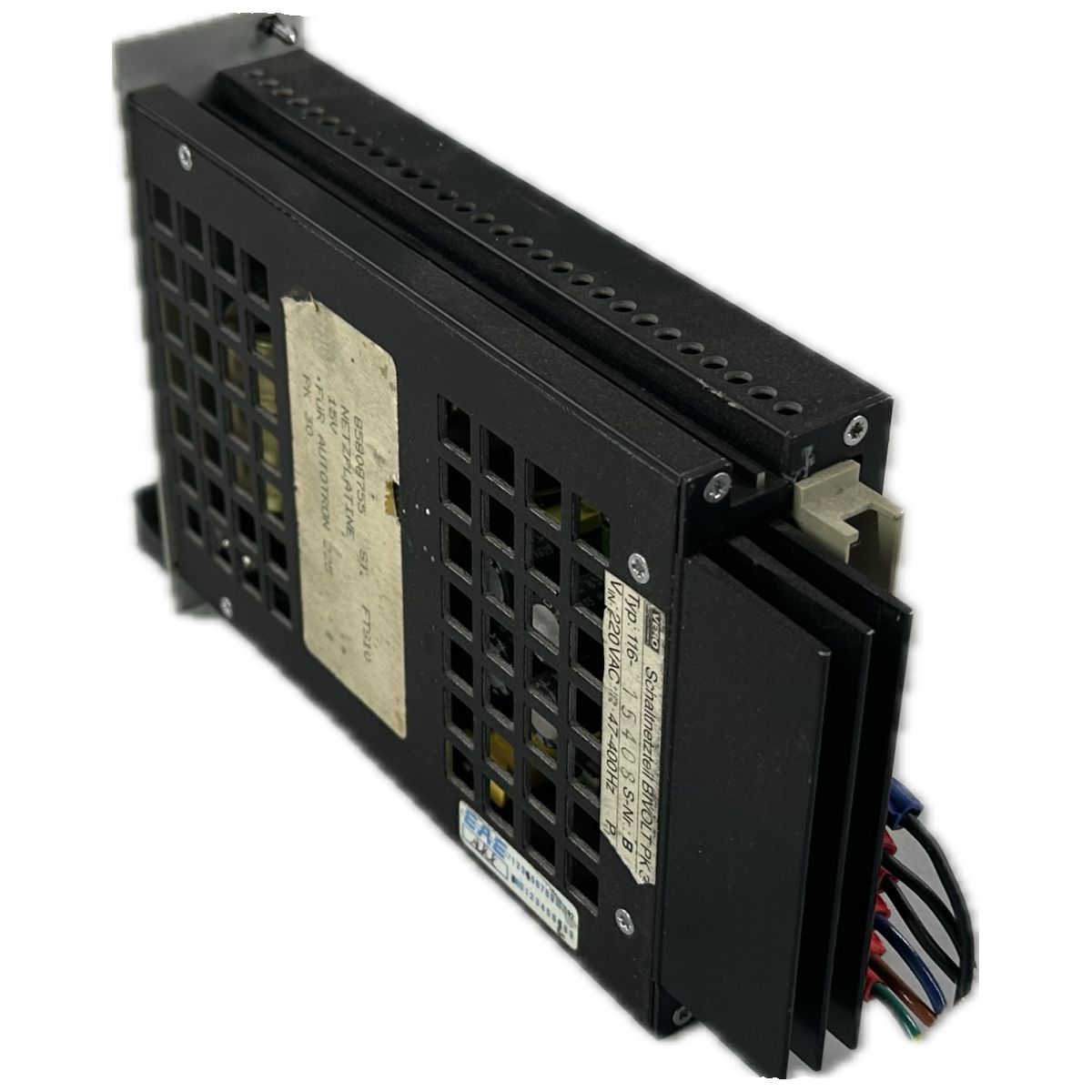
A rectifier is an electrical component that converts alternating current (AC) into direct current (DC). It is used in almost all devices that require a stable DC voltage – such as power supplies, chargers, or electronic control systems.
🔧 How Does a Rectifier Work?
Rectifiers use diodes that only allow current to flow in one direction. Several rectifier circuits exist:
- 🔹 Half-wave rectifier: uses only one half of the AC waveform
- 🔹 Bridge rectifier: uses four diodes to process both half-waves
- 🔹 Full-wave rectifier: a more efficient setup with two diodes and a center-tapped transformer
After rectification, the current is still pulsating. A smoothing capacitor is used to create a steady voltage output.
⚙️ Where Are Rectifiers Used?
- Power supplies: converting 230 V AC to stable DC voltage for electronics
- Battery chargers: providing DC charging for batteries and accumulators
- Motor controllers: supplying DC motors from an AC source
- Solar & inverter systems: converting for grid feed-in or storage
- Welding equipment: providing stable current for industrial welding
🧠 Advantages of a Rectifier
- ✅ Simple & compact: diode circuits require minimal space
- ✅ Universally applicable: used in nearly every power conversion system
- ✅ Cost-effective: low material and manufacturing costs
⚠️ Disadvantages & Challenges
- ❌ Voltage drop: ~0.7 V loss per diode
- ❌ Ripple voltage: high ripple without filtering
- ❌ Heat generation: cooling required for high current loads
🧰 Types of Rectifiers Compared
| Type | Characteristics | Application Area |
|---|---|---|
| Half-wave rectifier | Simple circuit, only half the power used | Low voltage, basic power supplies |
| Bridge rectifier | Uses full waveform, 4 diodes | Standard in most power supplies |
| Full-wave rectifier (with transformer) | Two diodes + center tap transformer | Industrial applications |
🤖 Comparison: Rectifier vs. Voltage Regulator
| Feature | Rectifier | Voltage Regulator |
|---|---|---|
| Function | Converts AC to DC | Keeps DC voltage constant |
| Use phase | First step in power supply | After rectification |
| Components | Diodes, bridge circuit | ICs or transistor circuits |
🧠 Conclusion: When Do You Need a Rectifier?
Whenever electronic devices need to run on direct current from an alternating current source, a rectifier is essential. Whether it's a smartphone charger or an industrial control panel – rectifier technology is found everywhere.
❓ Frequently Asked Questions (FAQ)
▶️ What is a rectifier?
A rectifier converts alternating current (AC) into direct current (DC) – typically using diodes.
▶️ What types of rectifiers are there?
Half-wave, bridge, and full-wave rectifiers – depending on setup and use case.
▶️ Where are rectifiers used?
In power supplies, chargers, motor drives, or welding systems – anywhere DC is needed.
▶️ How is a rectifier different from a voltage regulator?
A rectifier converts AC to DC. A voltage regulator ensures a constant output voltage within the DC system.